How to Ship Glass Items Safely: Tips and Tricks
September 30, 2026
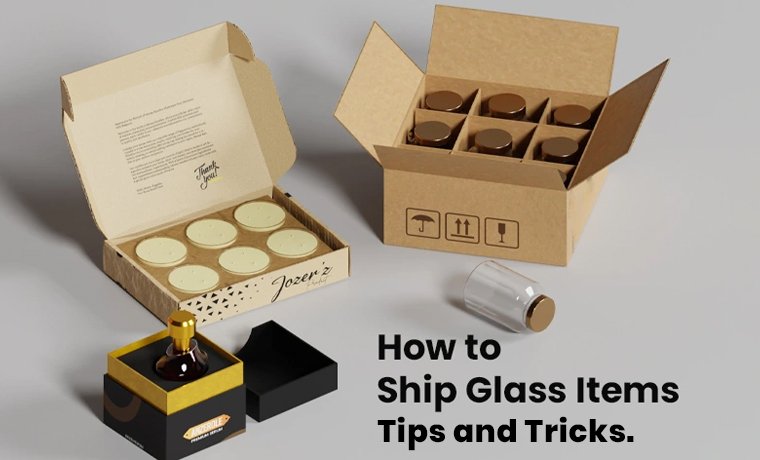
Glass breaks…Yes, it is not something unusual, but it is a packaging fact that all shippers, sellers, and small business owners ignore.
A single mispacked glass of wine or mason jar, and a forgotten air gap, comes with disappointment to the customer's door. The good news is that shipping glass actually is not a complex thing to do when you are aware of the process.
Packaging companies perform different jobs, like shipping the glass jars to candle companies, glass goods to mail as an e-commerce seller, or even just sending something special to your dear one. What you need is the correct method, the suitable glass wrapping material, and the right box. This article covers all the tips and tricks to ship the glass items safely. Let's dive!
The Real Reason Why Glass Breaks (And How to Prevent It)?
It is important to have an idea of why glass breaks during shipping before we get down to techniques. Well, it's rarely one dramatic drop. In fact, it is the result of a combination of repetitive insufficient cushioning and products vibrating inside the package due to an inappropriate size.
Companies such as UPS, FedEx, and USPS ship out thousands of packages every day, and your package will be stacked, thrown, and pushed through conveyor belts. Here, right here, your expensive perfume glass bottle can get broken, shattered, scratched, or crushed. It is not just about wrapping the glass, but designing a system in which the product can literally be immobile. They should not be able to touch the box walls with sufficient cushioning to take impact on all sides of the product.
Selecting the Glass Packaging Material
Your line of defence is your materials. Making a mistake in using the wrong ones is where the majority of shipping damage originates.
Cushioning Materials
- Bubble wrap: This is the traditional option. It is best to apply at least two or three layers, wrap from the bottom upwards, and hold with tape.
- Foam inserts, sheets, and pouches: These are best used with fragile goods, such as wine glasses or perfume bottles. Foam works better on irregular shapes.
- Peanut fillers: Only applicable as void fill in wrapped objects - never as a cushioning material in itself when it comes to glass.
- Crinkle paper: This is a good secondary cushioning material used for materials that have a tendency to stack together.
- Corrugated inserts and dividers: This is necessary when the box contains a large number of glasses, so they can’t come into contact with each other.
Box Selection
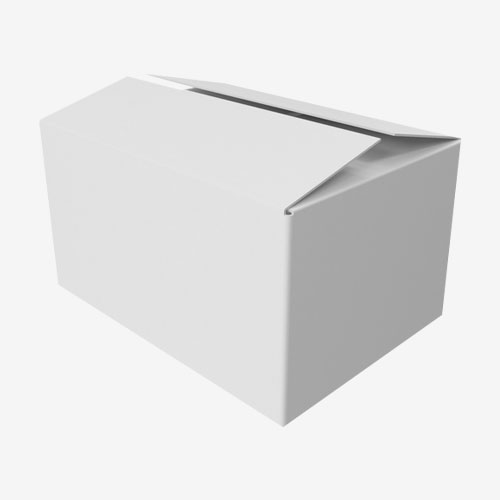
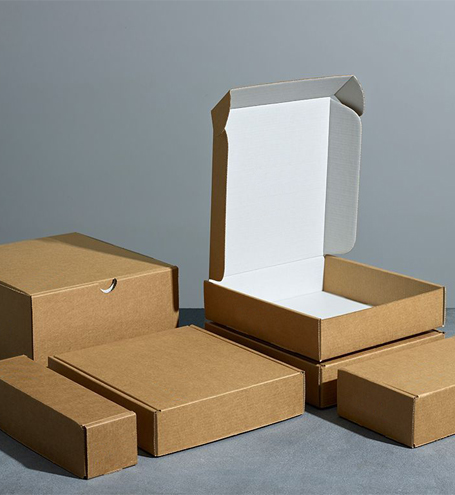
- Glass should be packed in a double-walled corrugated box. The box must be a large size to enable 2-inch cushions on all six sides.
- Do not use old, squashed, or worn-out boxes; the structural integrity of such packaging is already poor.
- Special shipping boxes with inbuilt dividers are a must-have for glass bottles. It is worth the cost of the common shippers.
How To Ship Glass Items Safely?
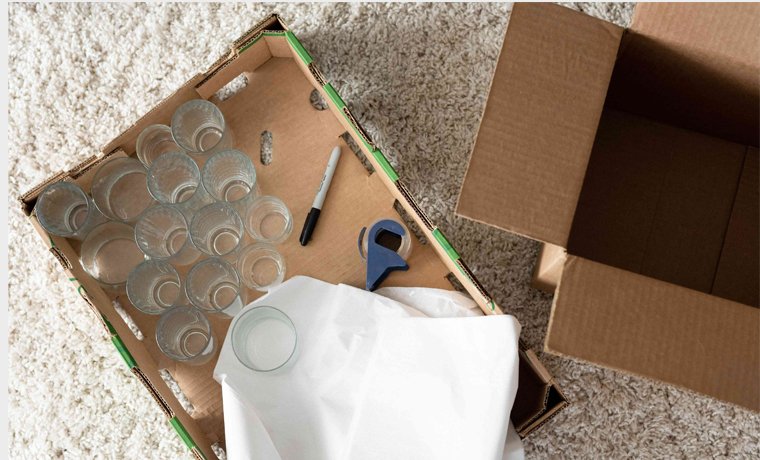
The basic approach does not depend on a particular product, such as cups, jars, or bottles; however, the fundamental procedure is the same.
Step 1:
Always wrap each glass item individually. Begin with a paper or foam as the first layer (the one that touches the glass surface directly) to avoid scratches. Now, add 2-3 layers of bubble wrap. You must be extra careful and cover handles, rims, and stems, as these are the most vulnerable spots for fractures.
Step 2:
Seal it properly. Do not use rubber bands or string to secure the wrapping; use packing tape. Any loose end is the weak point.
Step 3:
Move forward with lining the box base. How? Before putting anything in your shipping box, place a 2- 3 inch layer of packing peanuts or crumpled kraft paper at the bottom of your shipping box. It will create a sufficient buffer.
Step 4:
Time to finally create individual compartments - corrugated dividers or foam/cardboard inserts. This cannot be compromised when transporting glass cups, mason jars, or collections of bottles.
Step 5:
Fill every void and then gently shake the box. If anything shifts, add more filling. Silence is what you're after.
Step 6:
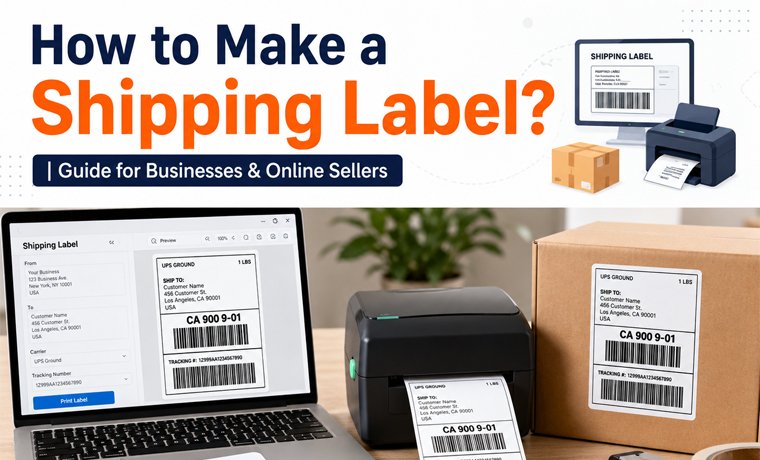
Seal and label your box after applying tape to all seams. You can write "FRAGILE" at least once on every side of the package; although carriers do not promise special treatment, it does make them pay more attention during the sorting process.
Read More: A Guide to Packaging Inserts For The Success of Your Business
Talk About Specialized Glass Products

Various glass objects are associated with different challenges. The most difficult ones can be managed in the following way:
1. Glass and Liquid-filled Bottles
There is added complexity in knowing how to ship glass bottles of liquid, which are known for leaks. It is important to always make sure that the lids are closed. Don't forget to wrap with plastic stretch wrap, and then add foam or bubble wrap.
2. Cups and Drinking Glasses
In the case of glass cups, wrap each in bubble wrap, and never stack them atop each other. Yes, tumblers need to be packed upright but not on their sides. Specific training on the shipment of a wine glass would entail a little more focus on the stem.
3. Panels and Stained Glass
Glass in a flat form is of a different type. Knowing how to ship glass panels and ship stained glass requires one to think about rigid and edge-guarding options. The trick is to place the flat glass pieces between two pieces of firm foam or cardboard, then wrap the pieces with bubble wrap. Apply corner protectors on all four sides.
Carrier Comparison: Who Handles Glass Best?
Fragile shipments are handled differently by different delivery companies, particularly when glass is involved. Selecting the appropriate carrier can significantly lower the likelihood of cracks, chips, or full-blown packaging damage.
| Carrier | Glass-Friendly Services | Fragile Handling | Recommended For |
| UPS | Yes | Standard | Heavy/bulky glass items |
| FedEx | Yes | Standard | Bottles, cups, retail |
| USPS | Limited | Standard | Small glass items |
| DHL | Yes | Standard | International glass shipping |
| Specialized Shippers | Yes | High | Art glass, stained glass panels |
The Pro Tips?
Even savvy shippers miss out on this information - and it is costly:
- Temperature Matters: Heat increases and decreases the size of glass. So, it is advised not to ship in severe temperature conditions without insulated containers.
- Additional Protection: Make use of custom paper inserts, holders, trays, and fillers for extra cushioning from inside. You can also use a bigger outer box to keep the small box inside with your product. Surely, this technique practically excludes the risks of damage.
- Photograph It: Take a picture of the contents of the packed box before sealing it. This can become priceless evidence in case of a damage claim.
- Right Tape: Corrugated boxes will not be held by regular scotch tape due to shipping pressure. The tip is to use 2-inch pressure-sensitive packing tape, and it must be in an H-pattern on all seams.
Conclusion
There is no need to gamble when shipping glass. You can safely ship mason jars or stained glass panels with the appropriate knowledge of packaging. Also, investment in quality materials is always cheaper than a broken product, a refund, and customer dissatisfaction. Custom Product Packaging will be happy to assist you in creating something personalized and customized according to your requirements.
Call (+1)888-511-0592 today, and we will make sure that your glass gets the way it is supposed to be- in good condition.