
Packaging is essential for protecting goods, promoting brands, and streamlining transportation. However, many companies lack a thorough understanding of the many types of packaging and how each form affects the efficiency of the supply chain and the customer experience.
Yes, each type of packaging serves a variety of functions! If you get it right, your product is delivered without damage, sells quicker, and helps to foster brand trust. Make a mistake, and you’ll end up getting your money back, having complaints lodged, and losing revenue.
So, how many types of packaging are there? The answer is simple: packaging is generally divided into three main categories: primary packaging, secondary packaging, and tertiary. Let's get into the details and help you make a selection of packaging that really works.
What Is Packaging & Why Is It Important?
Packaging is any material or container that is used to encase, protect, or present a product. That's just the tip of the iceberg, though! Modern packaging simultaneously serves four powerful purposes:
- Protects: Foremost, it prevents products from being damaged, contaminated, and affected by the environment.
- Preserves: Second, custom boxes are meant to keep the items in their original condition and fresh for a longer period of time.
- Informs: Surprisingly, it helps deliver essential details, as packaging can be customized with stickers, labels, instructions, ingredients, and compliance information.
- Communicates: It lets you convey your brand identity, and it factors into deciding which product to buy.
Three Levels of Packaging: Primary, Secondary, and Tertiary
Before you start with each level, here's an overview.
The majority of products are processed at each of the three stages of packaging before they get to the end user. Every level provides in different ways the protection, organization, or branding in the supply chain at a different stage.
| Packaging Type | Definition | Example | Purpose |
| Primary | Direct contact with the product | Bottle, blister pack, wrapper | Protection + presentation |
| Secondary | Groups primary packages together | Cardboard box, shrink wrap | Branding + retail display |
| Tertiary | Bulk handling and shipping | Pallets, stretch wrap, crates | Transport + logistics |
Let's now take a closer look at each level of packaging. Knowing these differences will lead you to enhance each stage of the product's life cycle journey, from the factory to the hands of the consumers.
1. Primary Packaging = Direct In Contact
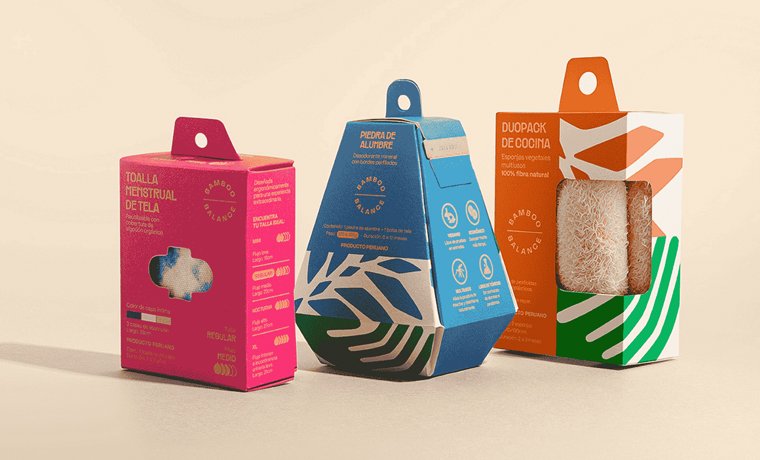
The first layer of packaging is the one that comes into contact with the product itself. It is the first line of defense, as primary packaging provides an immediate protective barrier from dust, bacteria, UV, fall/pressure, moisture, and other hazards.
Materials
The primary material selection has a direct influence on shelf life, integrity of the manufactured product, and buyer perception. Furthermore, the material is dependent on the product, industry, and regulatory requirements.
Common materials for primary packaging include:
- Plastic: Low weight and flexible, it is mostly used for bottles, pouches, tubes, and trays.
- Glass: Premium-looking, recyclable, and most suitable for liquids, perfumes, and healthcare supplies.
- Metal: Prized for unparalleled protection, crush-resistance, and durability, metal is a choice for canned foods.
- Aluminium: Found in cans, aerosol cans, and blister packs, this is known for its excellent barrier traits.
- Paper/Paperboard: An environmentally friendly choice for packaging, such as wrapping, packing, folding, or sachets.
- Flexible Films: Used as food pouches, shrink sleeves, and vacuum packs.
Examples
- Food & Beverage: A glass bottle full of juice/wine, canned soup/tuna, a plastic water bottle, chocolate wrappers, and a jar filled with nuts/granola/sliced fruits.
- Pharmaceuticals: Individual tablets/capsules in a secure blister pack and first aid kits
- Personal Care: The plastic shampoo bottle, glass cream jar, perfume bottles, etc.
2. Secondary Packaging: Space for Branding + Double Protection
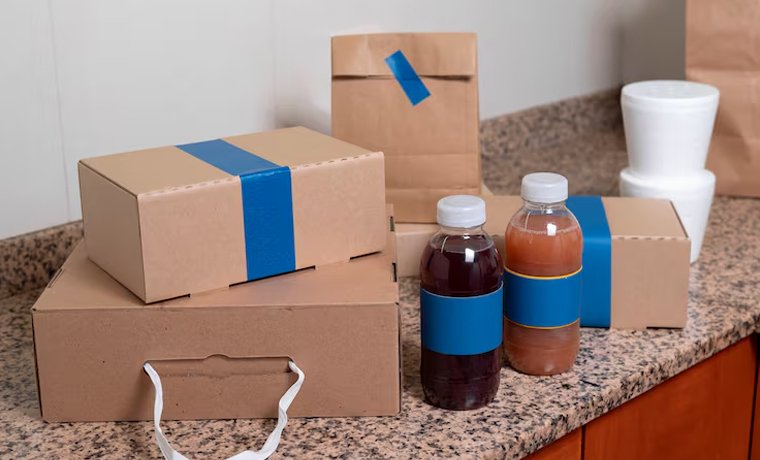
Secondary packaging, which is intended to combine several products into a single unit, is positioned outside the primary packaging. This is the part where your brand story plays out at scale. In simpler words, it's the outer layer that most consumers see when they are in the retail environment. This layer offers structural support, adds beauty, and makes handling a lot easier for the retailer and the consumer. From organizing multiple products to simplifying inventory management, this packaging layer serves as a powerful marketing tool.
Materials
The selection of secondary packaging material is usually made for its durability, printability, and cost-effectiveness. The most popular materials that are used:
- Paperboard: Provides an eco-friendly option for lightweight products.
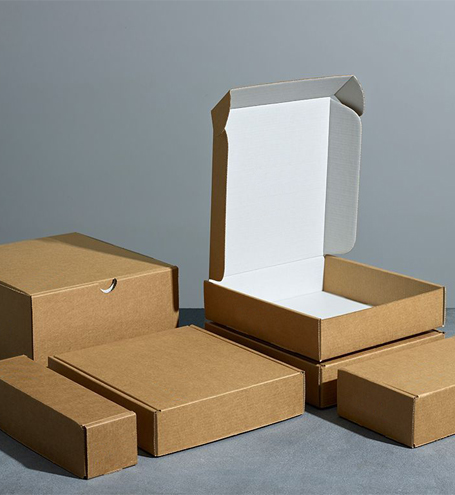
- Corrugated Cardboard: Very lightweight, strong, and can be easily branded + a must-have for shipping and bulk orders.
- Shrink Film: Clear film used to secure products and ward off tampering.
- Rigid Boxes: For high-end and high-quality products where the opening of the box is important.
- Folding Cartons: Popular for cosmetics, pharmaceuticals, and food products.
Examples
Secondary packaging examples are all around us, in our everyday shopping experience. The most noticeable ones are:
- Cereal boxes with sealed bags inside
- Display boxes holding toothpastes, chocolates, candies, or pencils
- Cartons of milk, juices, etc.
- Beverage carriers
- Cosmetic subscription boxes
- Multipack snack boxes
All of these help with shelfability, visibility, and sales of the product, plus help protect the primary packages from damage during transit.
3. Tertiary Packaging – The Backbone of Logistics
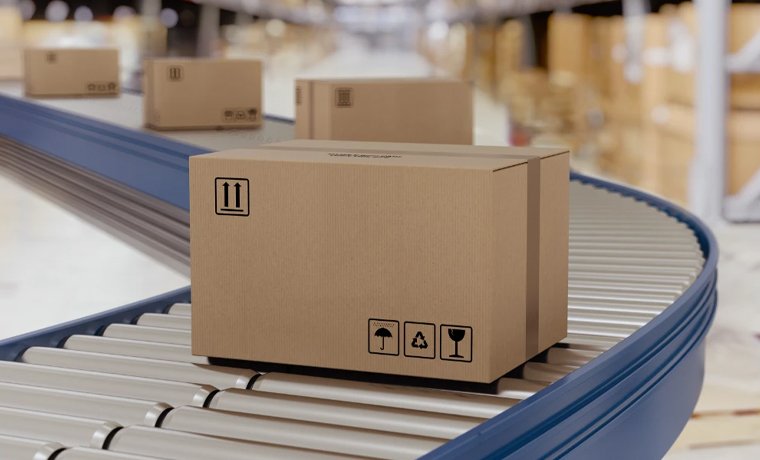
The last is the tertiary packaging, which is for bulk handling, storage, and transportation. It's hardly ever seen by consumers. However, if not for it, products would not get from the manufacturing to the store shelves in good condition. The behind-the-scenes player of the global supply chain, indeed.
In short, it brings together multiple secondary boxes into one convenient carton. This saves handling time, minimises product damage, and maximises freight efficiency.
Materials
The material used for tertiary packaging should be tough and inexpensive. Common choices include:
- Corrugated Fiberboard: Sturdily designed, collapsible, and recyclable.
- Stretch Film (LLDPE): Used to wrap loads of pallets to keep them in place during transport.
- Wooden Pallets: Universal for logistics, stability, and load-bearing capacity.
- Plastic Pallets: More durable and hygienic than wood, plastic pallets are becoming more popular in pharma and food, where they are replacing wood.
- Steel Strapping: Applies to holding heavy loads on pallets or pallets/boxes together.
Read More: Understanding Of Primary and Secondary Packaging - The Ultimate Guide
Examples
Examples of Tertiary Packaging are in the warehouse and distribution:
- Palletized cartons
- Stretch-wrapped product loads
- Bulk shipping crates
- Industrial containers
- Large corrugated transport boxes
- Warehouse-ready pallet systems
These solutions are designed for efficiency, rather than appearance. They need to be resistant to compression, vibration, moisture, and temperature variations when being transported over long distances.
Conclusion
Packaging isn't simply a box but a system, a well-layered approach to promise your product's safe arrival, making your brand known, and propelling your logistics. Every decision is important when choosing a primary packaging material for a pharmaceutical drug, designing secondary packaging for retail shelves, or optimizing your tertiary packaging for your warehouse.
With that knowledge of the three levels and how they're all connected, be sure to do a packaging audit of your own. Do the materials you use suit the product? Are your secondary packaging solutions representing you and your brand? Are you as efficient as possible with your tertiary packages? These are inquiries to ask, and take action on.
Whether you're looking for top-quality primary materials or ready-to-go tertiary packaging designs, we have you covered. Custom Product Packaging has a wealth of experience, innovative thinking, and quality standards that ensure that your product always makes a good impression. Give us a call today at +1(888)-511-0592.
Frequently Asked Questions
Packaging can be broken down into three categories: primary, secondary, and tertiary packaging. In some cases, quaternary packaging is included in some classifications of packaging for special distribution requirements.
There are four types of packaging materials: paper/cardboard, plastics, glass, and metal (such as aluminum and steel). All materials possess different characteristics that can be used for a particular product or packaging.
Pharma Primary Packaging is the packaging that comes in direct contact with the drug product, like vials, ampoules, blister packs, etc., and pre-filled syringes. It has to follow a variety of safety and regulatory requirements.
Secondary packaging is a special type of packaging that is used to contain multiple primary packages. Such as cardboard boxes, shrink wrap multipacks, and retail display trays.