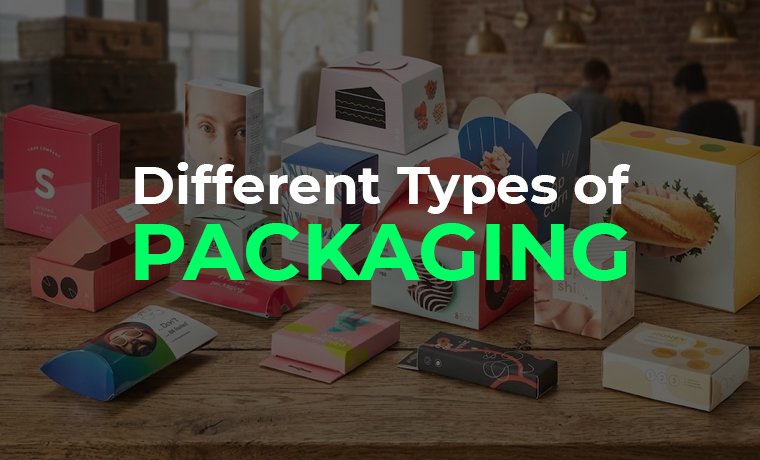
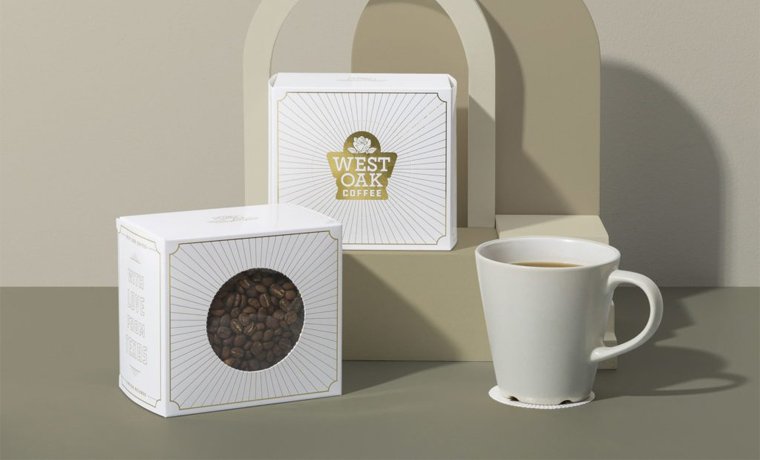
Nowadays, packaging is more than merely protective. Presentation with individuality is the key! And a well-positioned, clear window on a box or bag is the best way to not only bring a new character but also invite buyers to "take a peek inside."
Window patching balances purpose with aesthetic, be it bakery boxes showcasing fresh croissants to retail packaging hinting at what's within. Moreover, the superior craftsmanship and quality of expensive luxury goods can be displayed through a window. Honestly, it’s one of those small details that significantly increases perceived product value.
This is the detailed guide on window patching, including the details of the complete process, the equipment behind it, the films used, the industrial application, and the design choices.
What is the Window Patching in Packaging?
Window patching is defined as a process/design procedure in which a die-cut hole is made in a carton, box, or envelope, and then covered with a transparent film (usually plastic or biodegradable material). This results in an open window that allows consumers to view the product placed inside without touching or opening the package.
Imagine it as self-selling packaging!
When a customer is passing through a grocery aisle, he or she does not have to guess what is inside a windowed snack box. This visual transparency creates an immediate trust and impulse buying.
Typical uses are bakery bags, snack boxes, cosmetic boxes, and specialty jewelry boxes. The heart of this process is a high-speed, precision-driven window patching machine that applies film to hundreds or thousands of boxes in an hour.
Window Patching Machine
The foundation of this whole procedure is a window patching machine. Speed and accuracy would be practically impossible without it. These devices are made to:
- Manage large-scale production
- Make sure the film is positioned precisely
- Cut down on material waste
- Optimize the overall appearance of the packaging
Selecting a machine that is suitable can make or break your production flow, regardless of how big or small your manufacturing facility is.
Types of Window Patching Films
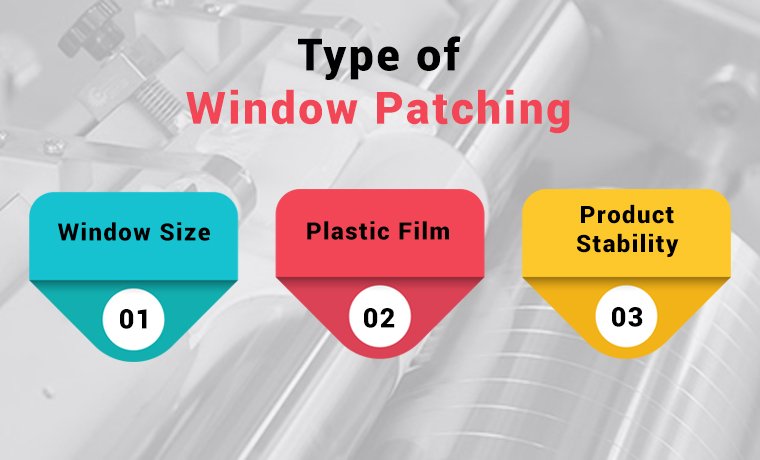
Not all transparent films are created equal. The type of film you use will influence the clarity, durability, sustainability, and food-safety compliance of your final packaging. One for window gift boxes will differ from retail use, and here is the comparison of the most used ones.
| Film Type | Clarity | Durability | Food Safety | Best For |
| PET (Polyethylene Terephthalate) | Excellent | High | Yes | Food, cosmetics, retail |
| PVC (Polyvinyl Chloride) | Good | Very High | Limited | Non-food retail, electronics |
| Polypropylene (PP) | Good | Moderate | Yes | Bakery, snack packaging |
| Cellulose Film | Very Good | Moderate | Yes | Eco brands, luxury packaging |
Note: In the case of food-grade prioritization, such as frozen food packaging, pet food, and clear mylar bags, PET and PP are the most used. Cellulose films are biodegradable and completely compostable, preferably used by eco-conscious brands.
Step-by-Step Process of Window Patching
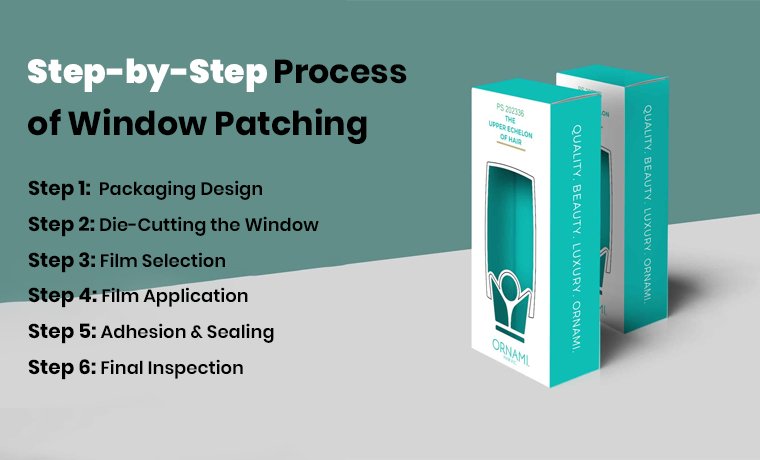
The window patching process is more complicated than it appears to be. Every stage requires accuracy, since a single cut or sticky film out of place would result in a rejected batch. The following is the actual process from concept to final carton.
Step 1: Packaging Design and Window Placement
The size, shape, and position of the window are mapped out by a packaging designer before any machine is turned on. A good position of the window is finalized, where it must emphasize the best attribute of a product, such as the color of the pastry, the texture of a product, or the high-end finish of cosmetics.
Tip: first, the window should be able to balance the strength and look. For example, the carton can be weakened by having a window that is too large. Second, you must opt for a unique shape of the box as well, such as a gable box with window.
Step 2: Die-Cutting the Window
When the design has been approved, packaging materials (usually cardboard or paperboard) are cut with a die to create the desired window shape. That may be rectangular, oval, circular, or entirely custom-made - whatever suits your brand!
Step 3: Film Selection
The machine reel is loaded with the right transparent film.
- In the case of a cardboard box, the most popular option is PET film to produce crystal clear results. Also, it has a high rate of bonding with paperboard.
- For a paper bag, the light cellulose or PP films are used.
To stand “green,” you can opt for kraft paper window boxes that only have biodegradable film.
Step 4: Film Application (Patching)
In this step, the window patching machine comes into work. The die-cut blanks are loaded into the machine in either a manual or an auto-feed. Now, the machine takes a continuous film, cuts it to size (as defined), and then aligns it perfectly with an opening in a window. Adding to your surprise, high-speed automated systems have the capacity to process 100-500 or more boxes per minute.
Bonus: One of the latest box window repair machines uses a continuous film reel of less than a sub-millimeter accuracy - it makes thousands of perfect windows in an hour.
Step 5: Adhesion & Sealing
Hot-melt glue, cold adhesive, or electromagnetic bonding is used to bond the film to the packaging based on the type of machine and material. The existing machines promise instant attachment, leaving no glue lines visible. Additionally, seals should be airtight when used in food to maintain the freshness of the products. Lastly, pressure is applied to ensure strong adhesion. The packaging then moves forward for drying or curing.
Tip: Too much glue can be messy, and too little gives weak bonding. Precision is everything here!
Step 6: Final Inspection and output
Each patched carton undergoes a quality test for alignment, bubble, film, and adhesion strength.
The defects on high-quality machines are pointed out by automated vision systems. Cartons that have been approved go to folding, gluing, and packaging. Unsold products are withdrawn from the shelf.
Applications of Window Patching
The patching of windows is not restricted to a specific type of industry.
| Industry | Typical Application | Window Film Used | Key Benefit |
| Food & Bakery | Pastry boxes, snack cartons, frozen food packaging | PET, PP | Freshness visibility builds purchase trust |
| Cosmetics & Beauty | Perfume boxes, skincare cartons, gift sets | PET, Cellulose | Premium look; showcases product color & design |
| Retail & Gift | Gift boxes, toy packaging, novelty cartons | PET, PVC | Impulse purchase driver; reduces returns |
| Electronics | Accessory boxes, cable packaging, small device cartons | PVC, PET | Product authenticity confirmation; anti-counterfeit |
| Pharmaceuticals | Blister card boxes, supplement packaging | PET | Dosage visibility; tamper evidence |
| Envelopes & Mailers | Address window envelopes, direct mail | PP, Glassine | Address visibility without separate labeling |
Rigid vs. Flexible Windows
Two popular choices for cellophane window packaging are rigid and flexible windows, each of which fulfills distinct product requirements.
Flexible windows are inexpensive, lightweight, and environmentally beneficial because they are composed of thin polyester film. They are perfect for food, cosmetics, and regular retail items, and they readily conform to curved or uneven packaging.
Rigid windows, on the other hand, are composed of hard plastic resin and provide exceptional strength, clarity, and a high-end appearance. They are frequently utilized for larger packaging that needs additional toughness, luxury items, and pharmaceuticals.
Budget, product kind, and the desired degree of visual impact all influence which option is best.
Conclusion
The retail-winning packaging is packaging that conveys, and there is no better way of conveying quality product inside than with a crystal clear window, patched to perfection.
Whether it is the selection of the appropriate type of film or the selection of a proper window patching machine to meet your production size, every decision in the window patching process counts.
Custom Product Packaging creates experiences rather than just providing materials. With top-notch films, cutting-edge equipment, and smart design ideas, we assist you in producing packaging that immediately attracts attention and fosters trust. Let’s make your products impossible to ignore; contact us today at (+1)888-511-0592.