Design Packaging for Pet Products | The Strategic Switch to Sustainable & Wholesale
September 30, 2026
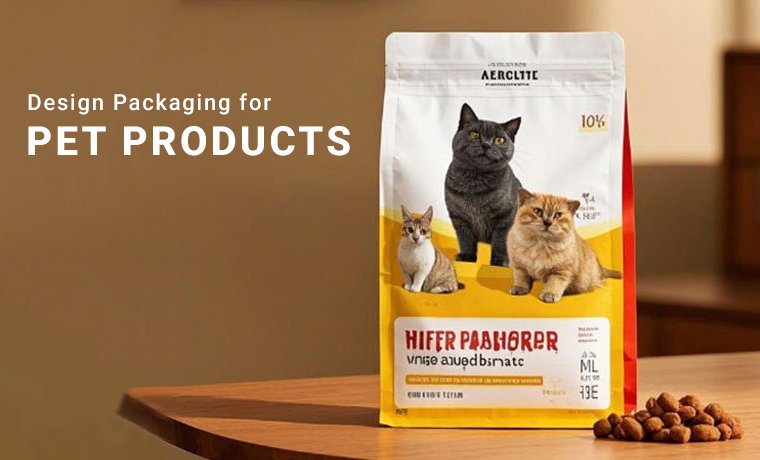
Pet ownership has skyrocketed in the United States, solidifying the furry friend's status as a real family member and generating a multibillion-dollar market with intense rivalry. Your package is much more than simply a "box" in this booming industry; it is the most important component of your brand.
Consider pet product packaging as your silent salesperson, a loud sustainability claim, and a final shelf differentiator that attracts customers' "puppy-dog eyes." The proper structure plays a role whether you're selling high-quality chow, organic grooming products, or funky toys. It must offer strong product safety and, above all, establish that necessary, enduring trust with picky pet owners.
This comprehensive guide will delve into the subtleties of pet product packaging, covering everything from revolutionary barrier technology to design advice that will keep your company ahead of the competition.
Why Do You Need Packaging for Pet Essentials
In the rapidly expanding pet care industry, proper packaging is an important necessity rather than an afterthought. Preservation and safety are its main purposes. Reliable seals and high-barrier films have become important for maintaining freshness because they seal in vital nutrients and scents and stop hazardous leaks and tampering. This keeps pet food from contaminants and guarantees its total safety.
Beyond protection, packaging is your brand's most effective marketing tool. In order to increase shelf impression and online visibility, it visually demands interest. Above all, the design must effectively convey brand values to the committed pet parent in the United States, whether they are premium, eco-friendly, or reasonably priced.
Lastly, packaging serves as a legal protection; it must perfectly adhere to stringent labelling guidelines established by the FDA, AAFCO, and state laws, ensuring openness and fostering customer confidence.
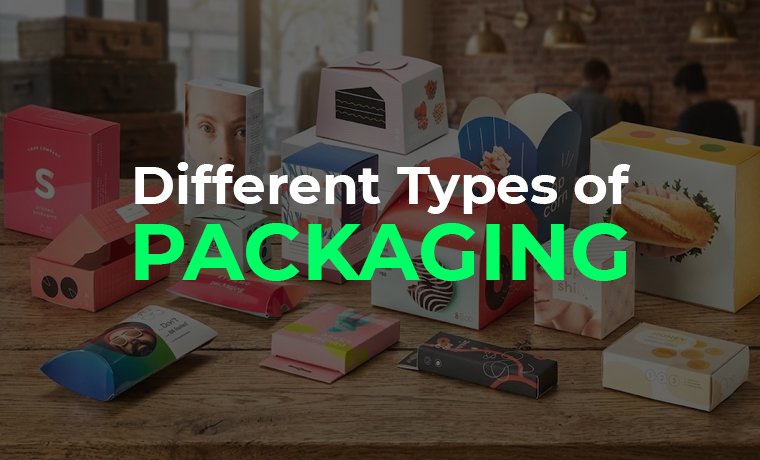
Types of Packaging for Pet Products
The best type of packaging can help preserve product quality and appeal to pet owners. Take a look at some options for different pet products.
| Packaging Type | Best Use Case | Key Features & Advantages |
| Flexible Pouches & Stand-Up Bags | Dry kibble, freeze-dried treats, supplements, and snacks. | By shielding contents from moisture and oxygen, the sturdy barrier films in these lightweight, custom-printed bags significantly increase shelf life. Their light weight directly results in considerable transportation cost savings, and their handy resealable zippers improve utility. |
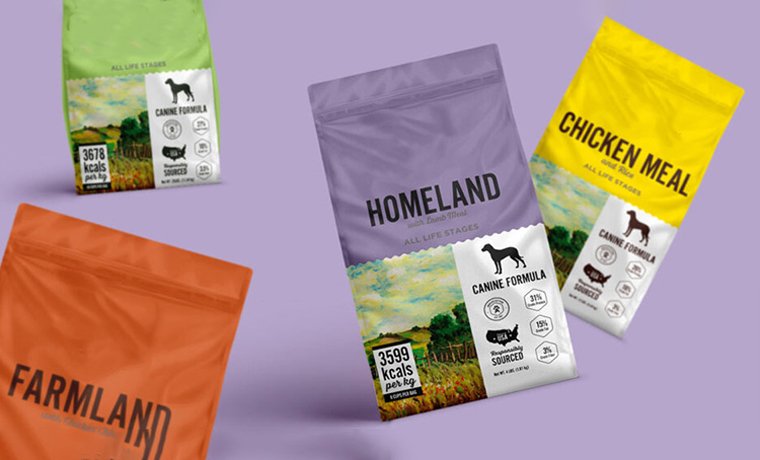
| Flat-Bottom Bags | Larger formats of dry food, specialty kibble, or bulk treats. | These are a high-end version of the stand-up pouch with a flat, stiff base that allows a steady, upright presence on store shelving. They maximise the printing surface area for compelling visual branding and provide a higher filling capacity. |
| Ziplock or Resealable Bags | Small treats, trial portions, or frequently accessed products. | This is the pinnacle of customer convenience! Pet owners may simply use and reseal the package several times due to the integrated, secure zipper, which directly preserves the quality of the product and stops spills after the first opening. |
| Blister Packaging | Medicated chews, single-dose vitamins, flea/tick collars, small grooming tools. | Made with openness and security in mind, immediate product visibility is made possible by the transparent plastic dome or pocket. Contamination and tampering are successfully prevented by the heat-sealed backing. Perfect for regulated, expensive, or small things. |
| Plastic Containers & Tubs | Wet food, organic shampoos, bulk dry food, or specialty food storage. | These indicate a high-quality product because they are made of solid, food-grade HDPE or PET. They assure that wet or dry products stay secure and fresh throughout time owing to their airtight, simple-to-open lids and often integrated handles. |
| Plastic or Metal Tins | Premium wet food, gourmet treats, or high-end supplements. | These are the reliable, long-lasting options for better product integrity. While premium plastic tins guarantee airtight storage and are frequently reused by the customer, metal (such as aluminium) offers an absolute barrier for wet food undergoing retort (sterilisation). |
| Paperboard Boxes | Lightweight dry food, supplements, chews, or display containment. | These are made of cardboard and often have an inside grease or moisture barrier layer, making them a healthy and aesthetically pleasing choice. They are great for shop displays because they are lightweight, highly printed, and environmentally friendly. |
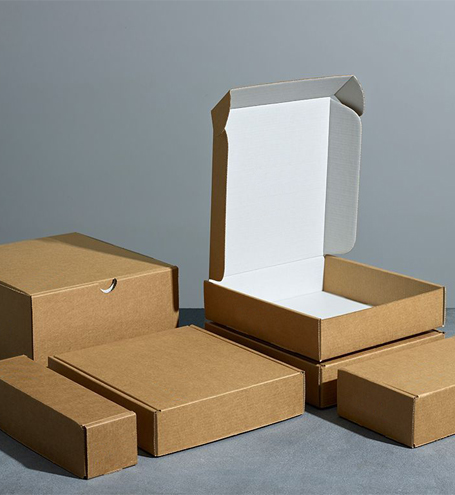
| Corrugated Boxes | E-commerce shipping, subscription boxes, and wholesale transport. | These robust outer containers are the backbone of online sales. They are designed to endure the rigours of the supply chain, from heavy stacking to abrupt drops and moisture, and are constructed with multiple layers of fluting to guarantee that the main pet product arrives immaculate. |
| Eco-friendly Kraft Packaging | Natural treats, organic supplements, or brands emphasizing sustainability. | This alternative offers an earthy, recycled look by using sustainable, unbleached kraft paper. It makes an authoritative, affirmative statement about your company's dedication to the environment while providing sufficient protection for dry items. |
How to Pick the Right Packaging for Pet Products?
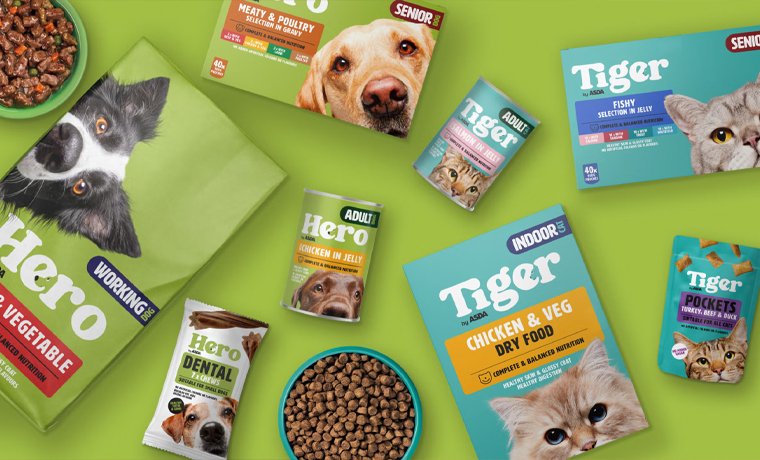
These essential points will help you select the ideal packaging for your pet products. Consider:
Product Type (food or supplements):
Different products require different levels of protection. Dry kibble, wet food, and freeze-dried treats each have unique storage needs. Packaging for food needs airtight seals, moisture barriers, or resealable options to lock freshness and prevent spoilage. Additionally, supplements may require light-protective packaging. Small portion sizes or easy-dispense containers ensure safety and dosage accuracy.
Environmental Impact Goals:
Eco-conscious consumers increasingly favor sustainable packaging. So consider recyclable, biodegradable, or compostable materials. Environmentally friendly packaging can serve as a selling point and differentiate your products in a competitive market. Need a tip? Use kraft/paperboard to enhance your brand image and meet market sustainability goals.
Consumer Convenience:
Your packaging should be resealable, easy to open, and carry. This convenience in your packaging can help increase repeat purchases and strengthen your brand loyalty. Consumers appreciate clear labeling and serving suggestions, so always include them to win your customers' trust.
Distribution Channel (retail or wholesale):
Packaging design should align with how products are displayed and sold. In retail packaging, you may require captivating designs, shelf-ready boxes, or hangable blister packs for visibility. Wholesale packaging prefers bulk packaging, durability, and cost-effectiveness during transport. Understanding the distribution channel ensures the product reaches customers intact and appealing.
Sustainable Packaging for Pet Care Products
Today's pet owners are picky and want items that are good for the environment and their furry companions. Your packaging needs to adhere to circular economy principles in order to truly satisfy this "eco-smart" requirement. This entails switching from troublesome multilayer laminates to truly recyclable mono-material constructions.
To ensure product safety without hampering recycling infrastructure, use aqueous barrier coatings and sustainable, plant-based inks. Refill pouches are also a great way to demonstrate your dedication to a cleaner, healthier environment while significantly reducing single-use plastic waste and fostering brand loyalty.
Core Rules to Design A Buy-Worthy Product Packaging
The best pet product packaging design balances safety, convenience, and emotional appeal. Here are the basic design principles.
-
Easy-Open Features for Arthritic Pet Owners
Accessibility matters — especially for senior pet owners or those with limited hand mobility. Packaging designed with tear notches, pull tabs, or press-to-close seals makes opening and closing effortless. This thoughtful touch enhances usability and shows brand empathy toward both pets and their caretakers.
-
Resealable Zippers to Maintain Freshness
Nothing keeps kibble or treats crisp like a high-quality resealable zipper. These closures help lock in aroma, prevent contamination, and extend shelf life. For pet parents, it also means less mess and longer-lasting freshness. Indeed, a win-win for quality and convenience!
-
Bold and Legible Fonts for Ingredient Transparency
Use regular yet bold fonts to ensure the product info is easy to read. Give pet products information clearly, aligning your typography and brand persona.
-
Pet-centric Visuals
Everyone loves nature and pet animals. It is advised to add attractive images on the pet product packaging to capture attention. Moreover, include captivating visuals of happy dogs or natural ingredients.
-
QR Codes Linking to Sourcing Info or Feeding Guides
QR codes are trending and widely used by food and pet food brands. The goal is to provide consumers with detailed sourcing information and other value-added content. This practice builds consumer trust and offers more opportunities for engaging marketing.
Common Mistakes to Avoid in Pet Product Packaging
Watch out for these common packaging blunders to achieve the best pet product packaging design.
- Ignoring regulatory labels (net weight, manufacturer info, AAFCO statement)
- Using non-child-resistant closures for medicated treats
- Skipping shelf-life testing for naturally free from preservative formulas
- Ignoring the pet and the owner's convenience
- Lack of clear labeling
- Using non-durable materials
- Overlooking sustainability
- Poor visual branding
- Neglecting product protection
- Failing to include clear product information
- Not considering retail display needs
- Using packaging without proper moisture and odor control
Strategic Wholesale Food Packaging for Pet Products
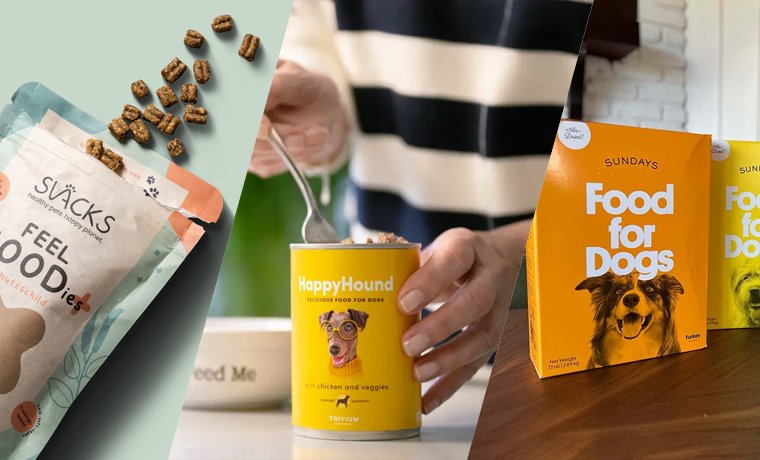
Utilising wholesale pet product packaging is a key company approach that promotes supply chain consistency and cost efficiency for producers and high-volume merchants. Deep cost cuts are made possible via wholesale partnerships, which have a direct effect on your profitability.
Strategically, you should opt for the following formats:
Resealable Pouches (Flexible):
The dry food and treats are the industry's economic engine. In order to lock in nutritional value and significantly lower bulk shipping costs, wholesale purchase provides a steady supply of these lightweight, high-barrier pouches.
Cans and Jars (Rigid):
For wet food and specialty items, cans and rigid jars are the obvious option. Purchasing in bulk ensures the volume required for smooth retort (sterilisation) procedures, enabling airtight integrity and the necessary longer shelf life for perishable goods.
Bulk Distributor Packaging:
High-quality, long-lasting corrugated packaging is a necessity for wholesale logistics in addition to consumer-facing units. This bulk format secures the integrity of each given unit before it reaches the final retail shelf, protecting your product during extensive freight and storage.
Pricing is only one aspect of wholesale; another is finding a dependable solution that grows with your business.
Pet Product Packaging for Dogs
Dog owners demand durable and resealable packaging. That's why companies must choose convenient and resealable packaging to maintain freshness.
When selecting packaging for dog products, consider the following options:
Treat Bags with Resealable Zippers:
These resealable bags keep content fresh while allowing easy access multiple times, making it ideal for storing biscuits or training rewards. They are lightweight and easy to carry anywhere. Including a transparent window in the bag for quick product visibility is an option.
Chew Toy Blister Packs:
These packs provide high-end protection for chew toys or small accessories to help prevent damage during transit and on shelves. Moreover, it offers opportunities for creative branding with printed backing cards. You can include hanging options for retail display.
Portable Snack Packs for Travel:
The convenient and single-serving packs for walks or outings! They feature zip-lock designs to ensure freshness while on the move. You can easily carry them in bags or pockets as they are lightweight. Consider eco-friendly materials to appeal to environmentally conscious customers.
Future Trends in Pet Packaging
As the pet industry is evolving, packaging is becoming smarter, more sustainable, and interactive. To stay ahead, let’s explore the most exciting trends that are defining the future of pet packaging:
Edible Packaging for Single-serve Treats (in R&D):
This refers to packaging for foods like candies or snacks that you can eat instead of throwing away. Many companies are experimenting with materials that are safe and biodegradable. The goal is to reduce waste and create a more sustainable and zero-trash experience.
Smart Labels with NFC Chips for Authenticity Tracking:
These are modern labels embedded with tiny NFC (Near Field Communication) chips. Customers can tap them with a smartphone to verify the product is genuine and access usage instructions. This trend with interactive marketing features helps prevent counterfeiting and ensures supply chain transparency.
Dissolving Pods for Shampoos and Supplements:
Compared to conventional plastic bottles or capsules, these single-use pods dissolve in water. It can add a pod to water to create shampoo. Dropping a pod in water produces the drinkable dose for supplements, minimizing plastic waste and making shipping lighter.
Carbon-neutral Shipping Via Optimized Box Weights:
This trend involves designing shipments so that boxes are filled efficiently and weigh less overall. Carbon offsets allow companies to ship products with zero environmental impact.
Securing a Standout Pet Product Packaging Partner
You need to search beyond a basic vendor list to find a trustworthy packaging supplier for your pet products. You need a partner who has a track record of success in the pet business and who knows that packaging needs to be able to resist more than just shelf life—it ought to be able to deal with nosy cats and eager puppies.
Consider carefully how they have dealt with certain food-grade barriers (which are essential for dry kibble or treats) and moisture management for wet foods. They should have a wide range of options, from sturdy stand-up pouches and practical blister packs to elaborate retail display boxes, all of which may be scaled to satisfy your needs for wholesale production.
Above all, they should possess the know-how to strengthen your brand's distinct character with extensive customization alternatives, guaranteeing that your package looks amazing and functions dependably.
Conclusion
Your perfect packaging for pet products is not just to hold the content inside. It builds trust and turns regular buyers into loyal fans. Whether you pick blister packaging for pet products or source food packaging for pet products wholesale, branding opportunities are countless.
By investing in innovative and eco-friendly pet product packaging for dogs and other pets, your brands can stay ahead in the competitive pet market.
Ready to design the best pet product packaging for dogs and beyond? Start with materials that protect your product and the planet. And watch your brand bark louder than the rest. Reach out to Custom Product Packaging today via email orders@customproductpackaging.com. Call us at (+1) 888-511-0592.