Glassine Paper in Packaging: Uses & Benefits Explained
September 30, 2026
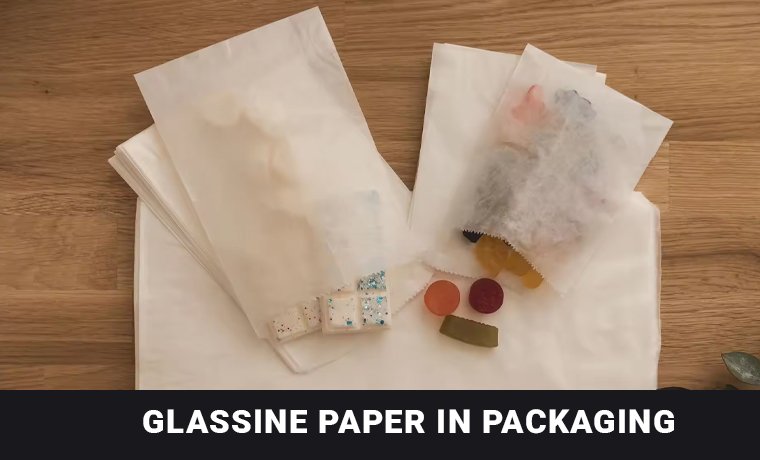
Think of a material that looks like plastic, feels soft, protects delicate items, and is 100% recyclable. You might guess it! That’s the glassine paper, which is a quiet frontrunner in sustainable packaging and amazingly reshaping industries from food to fine art. More than just paper, it is a protective barrier!
This guide will clarify what it is, how it is made, and why it plays a vital role in archival safety, food packaging, and creative projects. We will also explore its pros, cons, and uses in packaging to help you make an informed decision in your business.
What is Glassine Paper?
Glassine paper is a smooth and glossy paper made from wood pulp. In fact, it is chemically treated and pressed under heat + pressure to provide a dense, non-porous surface. It's known for being thin and translucent, yet air, grease, and water-resistant. Moreover, its inherently acid-free and pH-neutral nature makes archival glassine paper the top choice for museums, libraries, and collectors. After all, it will be protecting delicate items from chemical degradation.
Unlike regular paper, glassine paper:
- Won’t yellow or degrade over time.
- Is fully biodegradable and recyclable.
- Does not require plastic coatings or waxes for protection.
- Has a glossy and plastic-like finish but breathes like paper.
A Quick Glance at “Uses”
It is used across industries:
- Food & Beverage
- Art & Archival Preservation
- Cosmetics & Luxury Goods
- Pharmaceuticals
- Electronics
- E-commerce & Retail Packaging
Key Properties of Glassine Paper
Glassine paper might look simple, but it’s packed with useful features that make it a favorite for product packaging. Let’s take a quick look at its major characteristics and why it stands out.
Translucent Effect:
Its semi see-through quality allows customers to take a glimpse of the treats packed inside. This lends grace and chic vibes at the same time to boost aesthetic appeal and intrigue interest.
Sustainable:
Made from wood pulp, acid free glassine paper is biodegradable and recyclable. It is an eco-friendly choice that supports sustainable practices.
Smooth, Non-Abrasive Surface:
The glass-like gloss, which gives rise to the term "glassine," guarantees that fragile objects, such as prints, stamps, photos, and electronics, stay scratch-free.
Protective Layer:
This paper shields food from dust and contaminants, which ultimately helps preserve freshness. Indeed, it is perfect for sumptuous pastries and unwrapped sweets that can be crushed or vulnerable to degradation.
Grease and Moisture-Resistant:
The special processing of archival glassine paper keeps grease and moisture from seeping through, preventing sogginess or oiliness.
How is Glassine Paper Made?
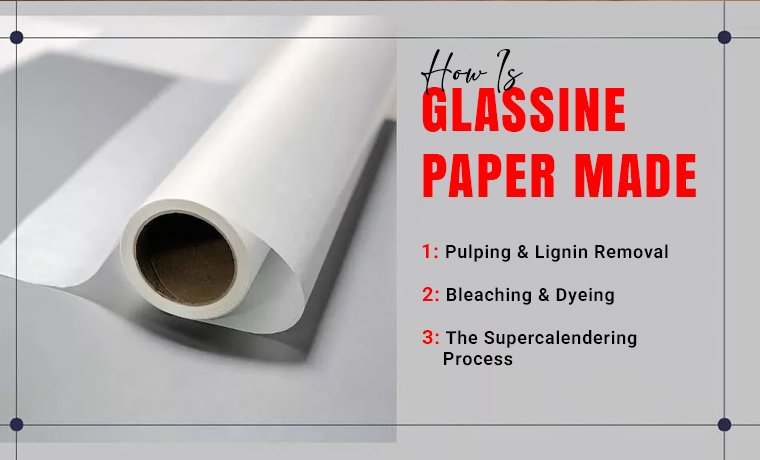
You must be questioning “What is Glassine Paper Made From” or “How is it Made.” Well, the magic of glassine lies in how it's made.
It begins with virgin wood pulp that is heavily processed and refined to break down the wood fibers. No plastic, wax, silicone, or chemical coatings! Unlike waxed or silicone-treated papers, glassine remains fully recyclable, biodegradable, and compostable because it is simply a paper that undergoes mechanical refinement.
Here’s how it becomes one of the most resilient papers on earth:
Step 1: Pulping & Lignin Removal
Wood chips are cooked to separate cellulose fibers from lignin, a compound that makes paper brittle and prone to yellowing. Moreover, removing lignin ensures that the final product is acid-free and stable in the long term.
Step 2: Bleaching & Dyeing
The purified pulp is then bleached and, if necessary, colored. Additives like titanium dioxide can make it more opaque.
Step 3: The Supercalendering Process
This is where glassine earns its name!
The paper passes through heated rollers at high speed, compressing the fibers into a dense and ultra-smooth sheet. The result is a surface that is naturally resistant to air, grease, and moisture without chemical coatings. This process:
- Increases tensile strength
- Compliments glossiness and even makes it more sparkling.
- Creates natural resistance to the outside world of harmful elements and pollutants.
What Is Glassine Paper Used For?
Glassine is a real treasure - thanks to its flexibility. Let's examine the industry sectors that depend on it the most.
Packaging & Retail Displays:
Glassine is used by brands to create classy and eco-friendly packaging that is clean and elegant. It protects goods while improving product display. Typical uses consist of:
- Packaging for clothing (buttons, jewellery, care cards)
- Sample packets or cosmetic refills
- Bakery goods, such as pastries, macarons, and cookies
- Candles, soap, wax melts, and handcrafted goods
- Card sleeves and stationery
Customers are given an upholstered preview of the goods due to their translucency, which hits an outstanding balance between complete visibility and subtlety.
Label Backing (Release Liner):
Behind every adhesive label is a glassine release liner. Its adhesive releases cleanly and offers precise die cutting. It is used in:
- Product labels
- Barcode tags
- Medical tapes
- Industrial adhesives
Food-Grade Applications:
It preserves flavours while preventing oils from seeping through. It feels natural, is lightweight, and is eco-friendly in comparison with papers lined with plastic. Best suited for:
- Candy wraps
- Liners for bakeries
- Snack or sandwich sleeves
- Inner-layer packaging for tea and coffee
- The wrappers of gum
Archival & Art Preservation:
If you've ever been to the conservation wing of a museum, you'll see piles of archival glassine paper safeguarding historical papers and artwork. This paper is highly valued for being non-reactive and non-abrasive in addition to being acid-free. Let's state that because it is among the safest and most affordable storage materials for long-term preservation, artists and conservators depend on it.
These are perfect for archiving old photos, isolating delicate print layers, and shielding artworks during transit. Additionally, they protect stamps, comic books, posters, and old papers, keeping each collectible neat, flat, and protected from environmental deterioration, moisture, and stains.
Luxury & Premium Packaging:
The glassine finish feels luxurious. Also, its transparent design builds anticipation. Many prestige brands use glassine as:
- Inner liners in gift boxes
- Wrapping for perfumes, candles, and skincare
- Sleeves for premium chocolate bars
Crafting, Stationery & Creative Arts:
Glassine is a favourite among crafters due to its visual attractiveness. It gives their work a delicate, handmade, vintage beauty. The material has a modern-meets-retro vibe and keeps wax seals intact. Common applications consist of:
- Handcrafted envelopes
- Scrapbooking
- Mailing envelopes (that are suitable for wax seals)
- Greeting card sleeves
- Packaging for wedding invitations
- Sustainable gift wrapping
Industrial & Commercial Use:
Additionally, glassine paper is used in high-precision industries:
- Inner liners for pharmaceuticals
- Covering electronic items
- Packaging for automobile elements
- Safety of chemical samples
- Packaging for medical test strips
It is great for expensive and breakable machinery because of its flat surface.
Core Benefits and Drawbacks
Let’s explore the main advantages as well as the limitations that make it a popular choice for businesses. Understanding these aspects can help businesses pick the right packaging for each product.
Pros:
| Feature | Description |
| Product Visibility | Customers can clearly see your food items, which increases attraction and promotes impulsive purchases. |
| Barrier Protection | Protects grab-and-go items from dust, filth, and impurities. It is acid-free, moisture-resistant, and grease-proof. |
| Versatility | Ideal for handling fried meals, lining plates, wrapping sandwiches, and even archival and retail storage. |
| Eco-friendly | Glassine is made from wood pulp and is perfect for companies that value environmentally friendly packaging |
Cons:
| Cons of Glassine Paper | Explanation |
| Limited Heat Resistance | Unsuitable for hot foods since heat might soften or warp the substance. |
| Moderate Moisture Resistance | Only provides modest protection; goods with a lot of moisture or oil may seep through. |
| No Non-Stick Qualities | Usability may be impacted by adhesives or sticky foods clinging to the surface. |
| Challenging to Print On | Direct printing or branding is challenging due to its solid, smooth texture. |
| Not Ideal for Heavy Items | Under heavy loads, a thin structure may tear or crumple. |
| Limited Structural Rigidity | Easily creases and bends, which could have an impact on appearance. |
| Low Insulation | Compared to kraft or foil-lined choices, it does not maintain the temperature of the contents. |
Glassine Envelopes for Secure and Tamper-Evident Mailing
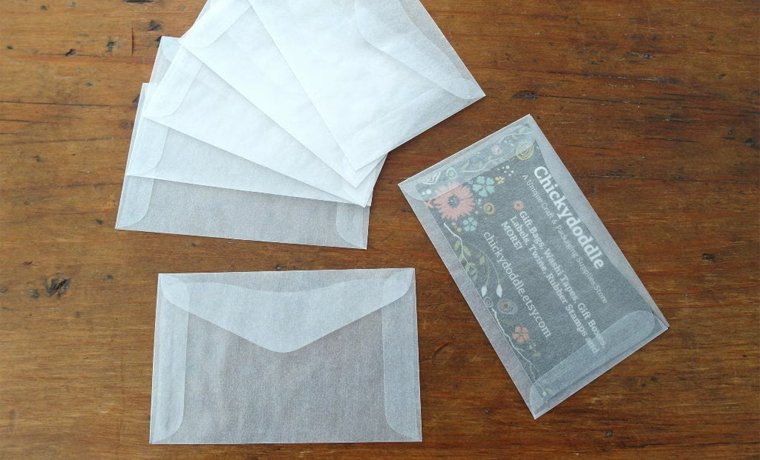
Glassine envelopes combine resilience and visibility, making them a popular choice for safe, hygienic, and semi-transparent sending. On the one hand, because of its inherent translucency, receivers can see what's inside without really opening the envelope. However, these envelopes immediately become tamper-evident when combined with wafer seals or adhesive closures. Unauthorized access, damage, and swapping are prevented during transit by the obvious signs left by any attempt to open or peel the seal.
They also withstand ripping, ward off moisture, and shield fragile objects from surface abrasion, smearing, and scratching. Glassine envelopes are therefore frequently used for mailing and storing goods that require both presentation and protection, like:
- Vinyl records, trading cards, stamps, and other collectible paper items
- Product samples, such as wellness supplements, skincare sachets, cosmetics, and CBD samples
- High-value collectibles, jewellery, and tiny gadgets that benefit from an archival-safe, non-abrasive wrapper
Glassine Paper vs Other Paper Types
Every type of paper has its strengths, but glassine offers a mix of elegance and durability that sets it apart. Here’s how glassine compares to other common paper types and why it is the right choice for your needs.
| Features | Glassine Paper | Plastic Films | Waxed Paper | Parchment Paper |
| Recyclable | YES | NO | Sometimes | NO |
| Compostable | YES | NO | YES | NO |
| Grease-resistant | YES | YES | YES | YES |
| Translucent | YES | YES | Limited | NO |
| Acid-free | YES | NO | Often Not | NO |
| Food Contact Safe | YES | YES | YES | YES |
| Archival-safe | YES | YES | NO | NO |
| Heat resistant | YES | Varies | NO | YES |
Conclusion
Glassine paper is a future-proof material balancing sustainability, functionality, and style. Whether you’re mailing collectibles, wrapping baked goods, or preserving art, glassine delivers unrivalled protection with eco-conscious appeal. With complete understanding, you can make an informed choice to protect your valuable items with the material that conservators have trusted for decades.
For consultation about packaging or printing, feel free to contact Custom Product Packaging and talk to our experts. You can place an order for glassine paper rolls. Email us at orders@customproductpackaging.com. Or call us at (+1) 888-511-0592.