Have you ever picked up a luxury perfume box with a perfectly shaped window? Or peeled off a sticker shaped exactly like a paw print? That precision isn’t magic — it’s die cutting, a game-changing tool in modern printing and packaging.
Whether you’re a designer, brand owner, or packaging buyer, understanding die cutting gives you a competitive edge in creating a wow moment.
In this complete guide, you’ll discover how die cutting transforms flat sheets into compelling and functional designs — from intricate gift boxes to custom stickers and branded hang tags. We’ll walk through the full process, practical applications, pros and cons, and even how to achieve similar results without a machine. Let’s dive in.
What is a Die?
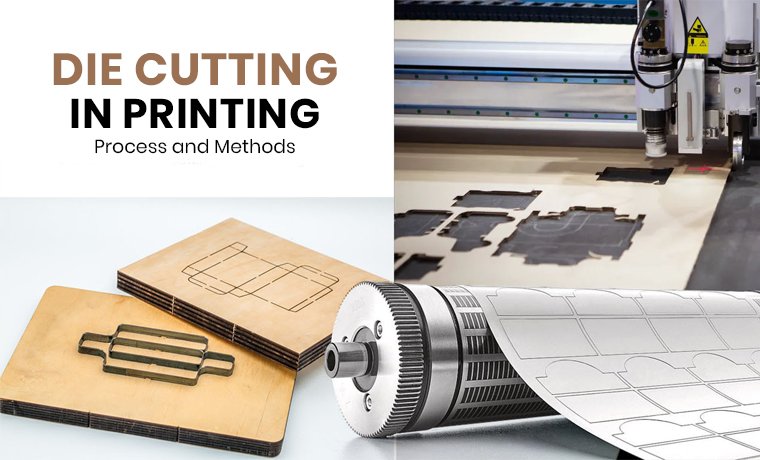
A die is a metal object with sharp areas that cut the material and turn it into a unique shape. It looks like a cookie-cutter that shapes the object in the same shape when it is cut. The die makers form custom dies for your printing project before placing them on the machine. You must finalize the die before starting the die cutting.
What does Die Cut Mean?
Die cutting is actually a manufacturing process in which a die—a specialized tool with sharp blades—is used to cut specific shapes out of materials like cardstock or fabric using pressure from a machine.
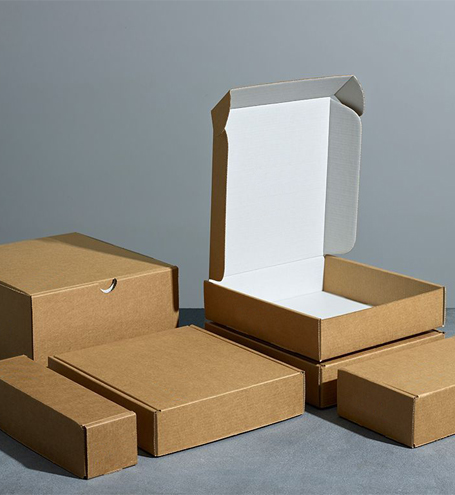
This technique enables the creation of identical cutouts in various shapes, designs, and patterns, making it a popular choice in printing and packaging. Most commonly, this method is used to manufacture folding cartons and packaging projects.
Understanding the Die-Cutting Process
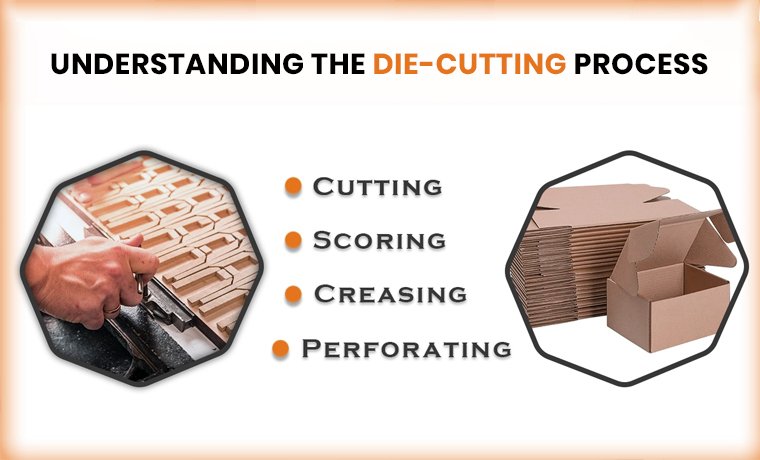
The process of die cutting starts with a die with sharp metal blades. Let's learn it step by step.
- Start by creating the die, ensuring it is made of metal and shaped according to your design.
- Set up the material. Place a material like paper, fabric, or leather on the die cutting machine's platform. The die is pressed down into the material.
- Once cut, the finished shapes are removed and prepared for use.
Die cutting performs different functions during its process.
-
Clean Cut
Die cutting cuts through the material without any mistakes or rough edges.
-
Scoring
It creates a shallow cut or crease in the material, allowing it to fold or separate in a specific area without fully cutting through.
-
Creasing
It creates pre-made crease lines that guide folding, making it easier to assemble or construct the item accurately.
-
Perforating
It creates small cuts in the material, making it easy to tear along those lines when needed.
Real-World Examples of Die Cutting
Now that we understand the process, let's look at some common applications. Die cutting is used everywhere to create distinctive and functional shapes. Some of the most prevalent examples include:
- Heart-Shaped Valentine’s Day cards
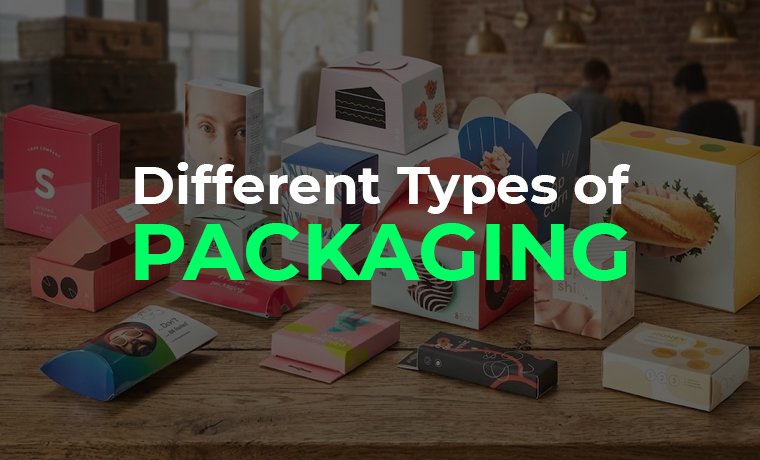
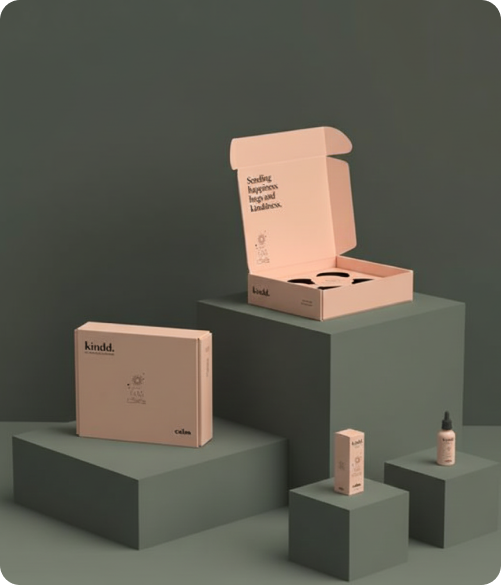
- Packaging with a window die-cut shape, like perfume boxes with flaps.
- Fabric and leather pieces, like purses
- Hang tags in unique shapes for retail items
- Custom-shaped pillow boxes
The Uses of Die Cutting in Printing
Die cutting plays a vital role in enhancing product presentation and functionality. Here’s where it’s most commonly used.
-
Complex Packaging
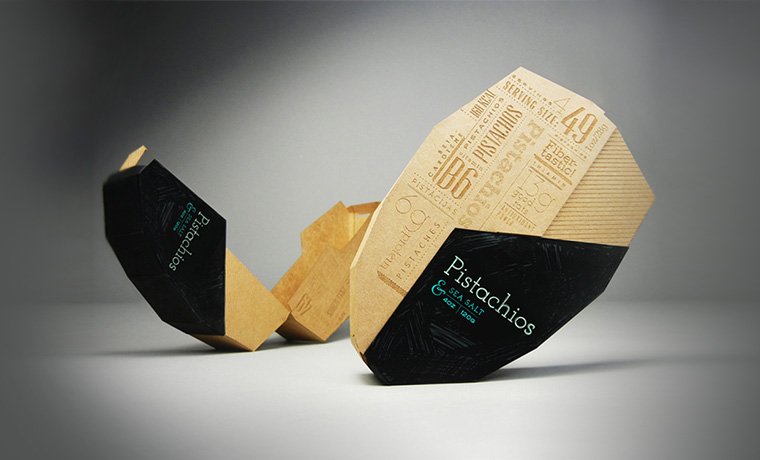
Die cutting is a key process in creating precise, intricate shapes and structures for packaging. Boxes with interlocking tabs, custom inserts, and unique structures (like pillow boxes) all rely on die cutting.
-
Greeting Cards
Die cutting is widely used to create unique and eye-catching designs. Pop-up elements and cut-out designs or shaped cards (like hearts for Valentine's Day) are classic examples of die cutting.
-
Custom Labels and Stickers
One of the most versatile applications of die cutting is in sticker production. It produces stickers in any shape, from company logos to intricate animal designs.
-
Packaging with Windows
Die cutting creates a visually appealing packaging that highlights the product inside. Perfume boxes, food packaging, product boxes, brochures, or flyers often feature die-cut windows that showcase the contents inside.
-
Retail Hang Tags
Custom die-cut designs are used to enhance branding and the presentation of products. Using unique-shaped tags for clothing and retail items adds a premium and branded feel.
Also Read: What is Pacdora? What You Need to Know About This 3D Packaging Design Tool
Advantages of Die Cutting
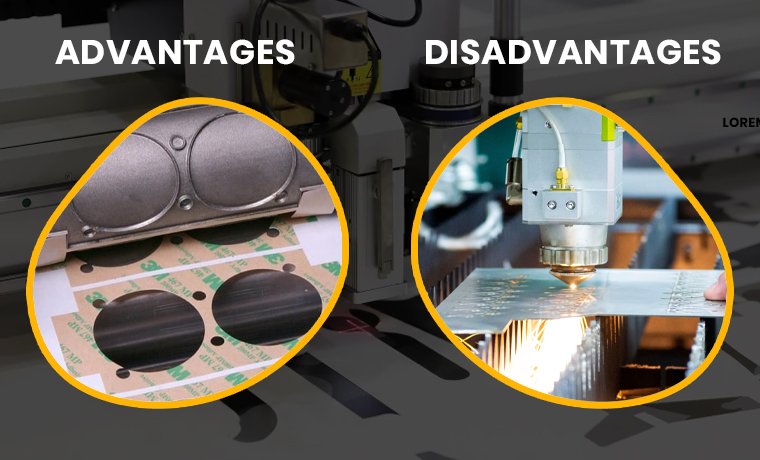
Die cutting has become a go-to solution in manufacturing and design. It offers several benefits for various industries.
- It provides clean and accurate cuts for simple and complex designs.
- It offers customization to cut custom shapes beyond rectangles or circles.
- It creates consistent shapes quickly. Ideal for high-volume production.
- It is a versatile manufacturing process to cut various materials such as paper, fabric, or foam.
- It is easy to reuse for mass production.
- It is economical for large production runs,
- It offers a polished appearance.
Disadvantages of Die Cutting
While die cutting offers numerous creative and practical benefits, it is also important to consider some potential downsides. Here are some drawbacks of die cutting.
- It is expensive for small production runs
- It requires time to set up and prepare the die.
- It is less flexible for last-minute changes. It requires creating new dies.
- It produces more waste material when the design is complex.
What is the Difference Between Die Cut and Printed Stickers?
The primary difference between die-cut and printed stickers lies in how they are cut. This can affect their final shape and presentation. Now, let's break down the key differences in a comparison to help you decide which one suits your needs best!
| Sticker Type | Cutting Method | Resulting Shape | Best for |
| Die Cut Stickers | Cut through both the sticker material and the backing sheet. | Each sticker is clean and in a custom shape — no rectangular border. | Standalone stickers, giveaways, product branding, and logo promotions. |
| Printed or Kiss-Cut Stickers | Cut through only the top layer of the sticker material, leaving the backing sheet intact. | Multiple shaped stickers remain on a single backing sheet. Ideal for sticker packs or bulk labels. | Sticker sheets, bulk label printing, product packaging, or resale packs. |
How Can I Use a Die Cut Without a Machine? A DIY Method
While industrial die cutting requires a machine, it is possible to achieve similar results for prototypes or very small batches using manual methods. Here's how:
- Use a craft knife or scissors.
- Carefully cut along the outlines.
- Use a punch tool to create a hole punch if needed for the shape.
- Create a stencil of your design.
- Carefully cut along the outline to complete the shape.
Final Thoughts
Now you know what die cutting is in printing. You now understand how custom die cuts can shape materials into striking and functional designs. Ultimately, it improves the visual appeal of the printed product.
This method not only enhances the design but also simplifies the production process, making it perfect for intricate designs. However, the setup cost may go higher during the process.
For brands ready to refine their packaging with precision die-cut designs, our team at Custom Product Packaging offers free consultations and expert support. We are committed to offering professional guidance to ensure your print project reaches its full potential. Email us at orders@customproductpackaging.com or contact us at (+1) 888-511-0592 to discuss your next project.