Understanding Cardboard Box Weight (Formulas, Examples, & Calculator)
September 30, 2026
Have you wondered why shipping costs spike even when the contents are light? Or does it look the same as other shipments? The answer lies in the box itself.
A cardboard box weight plays a surprisingly key role in logistics and cost. Understanding the weight of a cardboard box is essential for e-commerce sellers or anyone just moving house. This can help you determine the:
- Shipping costs
- Strength
- Capacity
Here is your guide that will discuss how much a cardboard box weighs. Also, you will learn the density of cardboard in relation to the weight of box sizes and how to calculate the weight of cardboard boxes accurately.
What Determines a Cardboard Box’s Weight
The weight of a cardboard box isn’t randomly determined. Four key factors control and influence it.
Box Dimensions:
The weight of a box is directly influenced by its size. Bigger boxes, like 36x12x12, are heavier and bulkier than smaller ones, like 12x12x12, since they require more corrugated material. Simply put—bigger box, extra material, heavier weight.
Material Thickness:
The number of corrugated layers in a box determines its thickness. Double-wall boxes are more resilient and denser than single-wall ones. More layers provide greater protection, but they also add weight.
Cardboard Type:
The material (kraft paper, recycled fibres) and its GSM rating - a measurement that assesses density - determine the type of cardboard. Durability and weight are increased by more robust components and higher GSM.
Flute Type:
The wavy layers that provide strength between cardboard sheets are called flutes. E-flute is light and thin, while A-flute is robust and thick. The box's strength, protection, and weight are determined by the type of flute.
The Average Weight of Cardboard Boxes by Size
Here’s a table listing common box sizes along with their weights. Just to clarify, these are just estimates for empty cardboard boxes.
| Box Sizes (inches) | Average Weight | Best for |
| 6x6x6 | 0.25 - 0.33 lbs | Small jewelry and retail items |
| 12x12x12 | 0.75 - 1.22 lbs | Small electronics and cosmetics |
| 18x18x18 | 1.9 - 3.2 lbs | Multiple items and lightweight bulk products |
| 20x12x12 | 1.2 - 2.2 lbs | Shoes, books, medium retail |
| 24x18x18 | 2.3 - 3.0 lbs (double wall) | Heavy goods and industrial parts |
| 36x12x12 | 2.5 - 5 lbs | Long items (posters or rods) |
Point to remember: A 12x12x12 cardboard box weight is a benchmark for USPS/UPS small parcel pricing under 1 lb (empty).
3 Easy Methods to Calculate Cardboard Box Weight
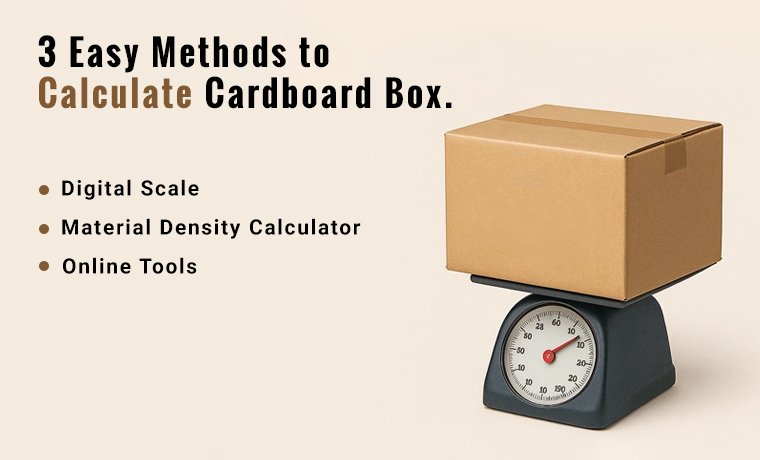
Learn three quick and simple ways to calculate your cardboard box weight accurately - no guesswork, just smart packaging decisions.
Digital Scale:
Use this digital method to weight empty boxes before packing, as it ensures consistency and accuracy. This allows you to track and record average box weights by SKU for better inventory and shipping control. The best part? It quickly displays the exact weight on a digital screen.
Box Material Density Calculator:
Try a cardboard box weight calculator for precise shipping estimates!
This useful tool helps you estimate the weight of cardboard boxes based on their material density and dimensions. By using this calculator, you can get precise shipping weight estimates, which helps prevent underestimating carton weight while ensuring:
- Accurate freight charges
- More efficient shipping cost management.
Online Tools:
Some shipping carriers, like UPS and FedEx, offer shipping cost estimators that help estimate shipping costs before you send a package. These tools calculate the price based on the package’s weight, size, and material type. They give you an accurate idea of how much shipping will cost.
Calculation in Action to Weigh a Cardboard Box
Let's apply the formula to your specified box sizes to find their estimated cardboard box weight.
- Use this formula: Weight=Volume×Density of cardboard
- Weight (lbs) ≈ (L + W + H) ÷ 50 (for single-wall box)
- Example: 20x12x12 → (20+12+12)=44 → 44÷50 ≈ 0.88 lbs
Remember: These formulas provide just an estimate. The exact weight can vary based on material thickness. Weigh a sample box on a scale for precise figures.
A Look Into Cardboard Box Weight Capacity
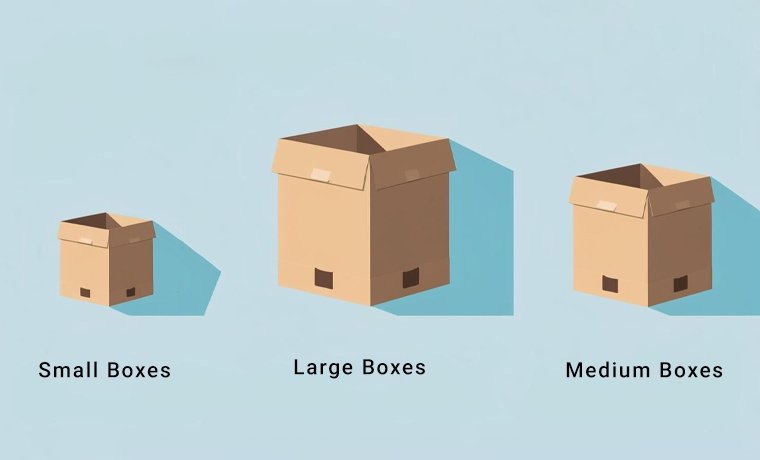
Half the story lies in the tare weight (the maximum weight that a cardboard box can support). For secure delivery, this is vital. Here are some moving box guidelines that are generally applicable to shipping:
Small Boxes (1.5 - 3 cu ft)
- Max weight: up to 21-31.5 lbs
- Ideal for heavy items like books
Medium Boxes (3 - 4.5 cu ft)
- Max weight: up to 21-35 lbs
- Best for kitchenware or toys
Large Boxes (4.5 - 5 cu ft)
- Max weight: up to 31.5-35 lbs
- Use for bulky but light items
Key Takeaway: Never exceed the box's weight capacity. Overloading can compromise its structural integrity. This can lead to breakage and damaged contents. Use a smaller and sturdier box or double-wall corrugated cardboard for heavy items.
Core Tips for Picking the Right Cardboard Box
Here's how to find the perfect box for your needs.
- Choose a small cardboard box weight that is ideal for lightweight items
- Opt for heavy-duty boxes that offer better protection
- Match the box type to the product fragility and shipping method
Pro tip: Heavier boxes increase shipping costs. It affects stacking and the cardboard box's weight capacity. Plus, it influences packaging compliance for carriers.
5 Ways to Minimize Packaging Weights & Shipping Costs
Determine the Right Size for Your Boxes:
When choosing packaging, ensure your boxes fit the products snugly. Using too large boxes means you’re shipping air, which wastes space and increases shipping costs. Selecting the right box size helps you save money, reduce waste, and protect your products.
Choose E-flute for Lightweight Goods:
E-flute corrugated boxes are ideal for smaller and lightweight products. They:\
- Offer a sleek appearance
- Occupy less storage space
- Provide sufficient protection for delicate items
This makes them a great choice for retail packaging and shipping low-weight goods safely.
Use Recycled Cardboard
Recycled cardboard is an eco-friendly choice that also helps reduce shipping weight. Because it’s 5–10% lighter than virgin cardboard, it can lower transportation costs and carbon emissions without compromising on strength or durability.
Skip Unnecessary Inserts:
Reduce packaging waste by avoiding extra inserts and using only what’s needed to protect your products. When cushioning is required, choose recyclable paper or corrugated fillers instead of plastic bubble wrap to make your packaging more sustainable and eco-friendly.
Test Box Weights Monthly:
Cardboard weight and strength can fluctuate between production batches. Regularly testing your box weights each month ensures consistency, helps maintain packaging quality, and prevents unexpected shipping cost increases due to heavier materials.
Conclusion
Understanding how much a cardboard box weighs helps you make an informed packaging choice and avoid surprise shipping costs. It also helps you optimize your logistics chain.
Whether you’re dealing with a small carton box or a large shipping container, the principles remain the same: size × material × density = weight.
The average weight of a cardboard box ranges from 0.5 lbs to 5+ lbs. The most common sizes:
- 12x12x12 cardboard box weight: ~0.75 lbs
- 20x12x12: ~1.4 lbs
- 36x12x12: ~2.2 lbs (single-wall)
Check in both actual and dimensional weight. Packaging weights directly impact your shipping and storage needs. Measure it carefully. Don’t guess.
Tip: Choose customized boxes if you are shipping regularly. Use less material to lower box weight and cut shipping costs by 15–30%.
Need packaging help? The team of experts at Custom Product Packaging can help. Email us at orders@customproductpackaging.com. Or call us at (+1) 888-511-0592.