How to Make Packaging Artwork That Sells More In 2026
September 30, 2026
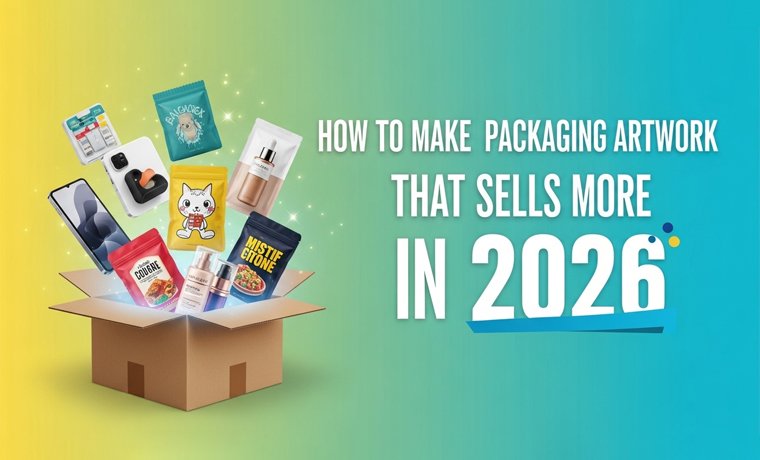
A plain box? Forgettable!
A box with killer packaging artwork? Instagram-worthy. Shelf-stopping. Add-to-cart inducing.
Interest, trust, and desire for your brand and product can be instantly changed at the very first sight of your box, label, or design. This is precisely the reason why any brand that spends on creating a professional artwork for customized cartons or opts for high-quality illustration packaging will always surpass the competitors.
In simple words, the personalized design or packaging artwork can be a direct factor to determine the rate of click-through, shelf life, perception by customers, and the performance of the company in terms of sales.
To make your product exclusive, improve your brand value, and impress customers with luxury taste, you need to read this artwork preparation guide for cartons.
What Is Packaging Artwork?
Sticking a logo on a box is only one aspect of packaging art. In reality, it is the intersection of advertising psychology, print science, and storytelling. It's what separates a product that blends in from one that stands out.
Are you asking what a good packaging artwork is? It is completely in line with brand identity, guaranteeing that the brand's voice is reflected in the colors, fonts, and images. Moreover, it prints perfectly without any technical issues, conveys product details, blends in perfectly with the box design, and (above all) attracts the eye while persuading customers to confidently select and buy the item.
Getting into details…
Imagine packaging artwork as the entire visual blueprint that is designed for precise and efficient print production. Highlights that must be included are:
- Graphics: Visual materials, patterns, or illustrations for packaging styles that finalize the tone of the custom boxes.
- Typography: Printed text, font combinations, hierarchy, and readability indicators.
- Colors: The palette of colors used by the brand, the background shades, and the accent colors.
- Imagery: Product pictures, illustrations, icons, and lifestyle images.
- Finishes: Decide print finishes that can be foiling, gloss lamination, embossing, spot UV, etc., for added durability and enhanced imagery.
- Dielines & Layout: A technical drawing of folds, cuts, bleed lines, and safe areas.
Key Elements of High-Converting Artwork
Skipping proper artwork preparation can lead to major headaches: logos get cropped, folds misalign, colors print wrong, and files may be outright rejected by the printer. These mistakes not only delay production but also increase costs and compromise your brand’s professional appearance.
Moreover, some components make your artwork more persuasive and shopper-focused.
| Element | Why It Matters |
| Brand Logo | Builds recognition and trust |
| Product Name and Description | Must be clear, bold, and instantly readable |
| Color Palette | Sends immediate brand signals. |
| Typography | Guides readability and communicates tone |
| Illustrations/Imagery | Enhances storytelling and product clarity |
| Functional Claims | Adds credibility and value |
| Regulatory Info/Legal requirements | Ensures compliance and trustworthiness. |
Excellent packaging art is not by chance, but calculated, psychological, and designed based on consumer behavior studies.
Color Research:
Colors are responses of expectation and emotions. Also, they influence the perception of the buyer about the custom shape boxes even prior to reading the text.
- Green = Eco-friendly products- organic, natural.
- Blue = quality, hygienic, superior.
- Yellow = Vital, joyful, youth-oriented.
- Black and Gold = luxury, exclusivity.
The less impulsive your choice of colors, the greater your perceived value.
Visual Hierarchy:
Humans do not read package information top to bottom, but scan it in milliseconds.
The first right message to be received by the customer is because of having a strong hierarchy. Here are the essential elements that must be included:
- Product name
- Key benefit
- Brand logo
- Supporting imagery
- Statements like organic, cruelty-free, or gluten-free
- Certifications, if any
Benefits of Having A Unique Packaging Artwork
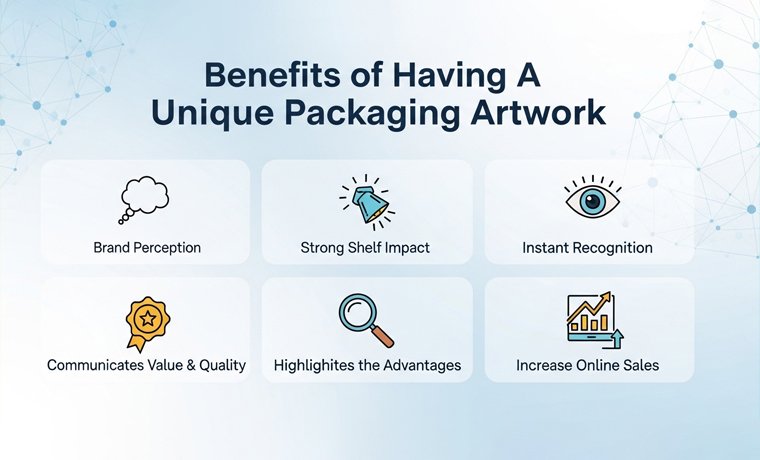
Not only can distinctive packaging design protect your product, but it also communicates your brand's narrative before a word is ever said. It creates instant recognition and transforms common boxes into memorable brand encounters.
Brand Perception:
The way consumers feel about a product is influenced by the presentation:
- High-end designs are decent and minimalistic in terms of fonts, colors, and clean lines.
- Playful brands are based on quirky illustrations, bright colors, and strong graphics.
- Eco-brands are in favor of Kraft textures, uncoated exterior, natural colors, and raw forms.
The objective is congruency: the art piece has to be representative of the personality of the product.
Strong Shelf Impact:
In congested retail aisles and rapidly scrolling online markets, distinctive box artwork has an immediate effect on the shelf. Bold colors, deliberate writing, and striking pictures work together strategically to grab people's interest more quickly, increasing the likelihood that they will see, remember, and choose your brand.
Instant Recognition:
Customers can quickly identify your product, even in a crowded marketplace, when colors, font, and design aspects are consistent throughout all merchandise. This familiarity eventually fosters credibility and trust, which promotes recurring purchases. Your brand will remain at the forefront of consumers' minds more easily as your display and shipping boxes become more identifiable.
Communicates Value & Quality:
Packaging art provides a message of value and product quality before the customer has even read the label. The style of the design, visual clarity, materials, and general presentation convey information to the clients on whether the product is premium, eco-friendly, luxury, or affordable.
Highlighting the Advantages:
Strategic packaging artwork is used to communicate the essential benefits of the product in a non-wordy manner through powerful visuals, icons, illustrations, and clean typography. If the key strengths are immediately apparent to the eye and easy to absorb, the passerby knows immediately what makes the product worth purchasing.
Increase Online Sales:
An attractive design can surely increase sales online by making the product thumbnails stand out and more clickable across the e-commerce sites and social media feeds. High-quality and crisp details, high-def pictures, bright colors, and thoughtfully placed branding elements improve the first impression. The result is intrigued interest and curiosity, increasing clicks, and ultimately driving higher conversions.
How to Design a Packaging Art that Sells
Effective packaging design is not created by chance; it is the result of strategy, psychology, and purpose. You need a design that interacts, communicates, and converts. Here's how to create eye-catching packaging art that encourages purchases.
Bonus:
These questions are addressed by excellent packaging artwork design (be it a box or gift bag):
- What kind of feeling should this product elicit?
- Where will it be sold—on a shelf, online, or at a high-end store?
- How far away is it to view?
- Is this expensive, environmentally friendly, entertaining, daring, or clinical?
- How does it appear in comparison to rivals?
Who the Target Audience Is:
Designing packaging art that would sell begins by knowing the inclinations, expectations, and shopping habits of your target audience. Their age, life, and values have a great effect on choosing the most appropriate visuals. The customers instantly identify with the artwork when it matches their preferences - be it minimal, high-end, colorful, or sustainable.
Analyze Competitors:
Know what you're up against before creating packaging that makes a statement.
You may decipher the visual language of your industry by doing a complete competition study, which covers everything from typical color schemes and typographic styles to layout structures, trends in imagery, material selections, and product representations.
Further, examine how rivals:
- Organize the front panel hierarchy
- Emphasize credentials
- Showcase their benefits
This shows you where the gaps are, as well as what clients already know. Finding chances to aggressively differentiate while still satisfying customer expectations and upholding category clarity is the goal, not copying.
Use the Right Tools:
A good idea may be turned into packaging artwork that is ready for production, looks detailed, and is fully workable with the correct equipment. You can control color profiles, produce precise dielines, improve typography, and guarantee print consistency with professional Adobe Illustrator and Adobe Photoshop. Besides, these can be used in conjunction with dependable 3D mockup platforms to:
- Test layouts
- Try out different color schemes
- See the finished product before it is manufactured
It lowers the cost of mistakes and improves overall quality.
Final Checks:
An internal design review guarantees your packaging is perfect before printing. To maintain a flawless, official appearance, this entails verifying spelling, compliance, brand alignment, and design consistency.
Following approval, the design advances to the technical pre-press phase, when the printer confirms important elements such as image quality, die-line alignment, bleed, color setting, and finish layers to make sure the final outcome satisfies both technical and creative requirements.
Cooperation Between Designers & Brands:
Retail boxes that repeatedly and effectively communicate the proper message is the result of a solid collaboration between designers and brands. Both parties may agree on objectives, choices, and technical specifications through open communication, precise creative instructions, and organized feedback, which produces designs that genuinely connect with the intended audience.
Common Packaging Artwork Mistakes (Avoid These)
- Ignoring the bleeding
- Text placement over folds
- Logos with low resolution
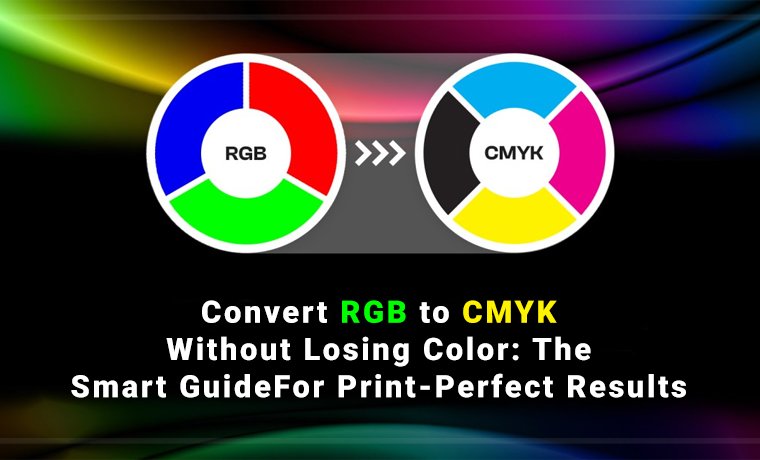
- Never switching to CMYK
- Disregarding barcode size guidelines
- Designing without taking the roughness of the material into account
- Overuse of finishes (little is more luxurious)
Conclusion
Packaging art is not just a design, but a sales-oriented asset that can make or break the perception and feelings of customers towards your product and make them have trust in it.
Well-thought-out, well-intended, and well-understood packaging artwork design can make a dramatic difference in shelf life, web presence, and brand loyalty. Remember, when starting up a new product or updating your line, considerate artwork is a key to growth.
Need packaging artwork that translates, captures, and sells more? Custom Product Packaging is the way to go. Make the call on +1(888)-511-0592 and get your brand promoted with a packaging that really works.