What is Varnish Coating? How is It Used in Packaging and Printing?
September 30, 2026
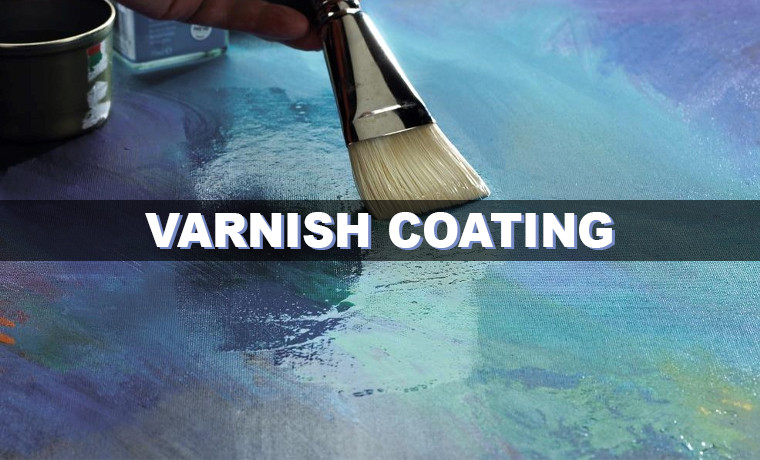
Scratching your head and thinking about a finish to protect your printed products from various damaging factors? Thinking about a coating? Which coating is better for protection against wear and tear or extending the lifespan of the printed material?
Guess what it is? The transparent and hard-drying liquid varnish coating is the surprise. It is ideal for preserving the visual appeal of printed packaging products.
Stay with this blog to explore varnish coating and its types. You will learn about its applications, advantages, and disadvantages. You will also learn how this technique can be the best option for the perfect finish. Let's jump in.
What Actually is Varnish Coating?
What does varnishing mean? This question is prevalent. It is a versatile and clear liquid finishing technique used in the printing and packaging industry. This finish offers an extended layer of protection to withstand dirt, dust, and moisture.
In addition to this, it elevates the visual appeal of the printed materials. The durability and strength of this varnish coating are its beauty. This makes it an excellent choice for adding an extra layer of protection to printed packaging products.
What is Varnish Made of?
Typically, a varnish coating is a blend of four main components:
- Resin: For durability and hardness
- Solvent: To thin the mixture for application
- Oil: To support flexibility and smoothness
- Additives: To enhance varnish properties like scratch resistance, UV protection, and moisture proof.
However, some varnishes are water-based or UV-cured. Besides this, some varnishes include additional additives for enhanced properties, such as UV protection or faster drying.
Spot UV dries faster as it uses UV (ultraviolet) light. More durable and a good choice, especially for ribbon boxes.
5 Most Common Types of Varnish Coating for Printing
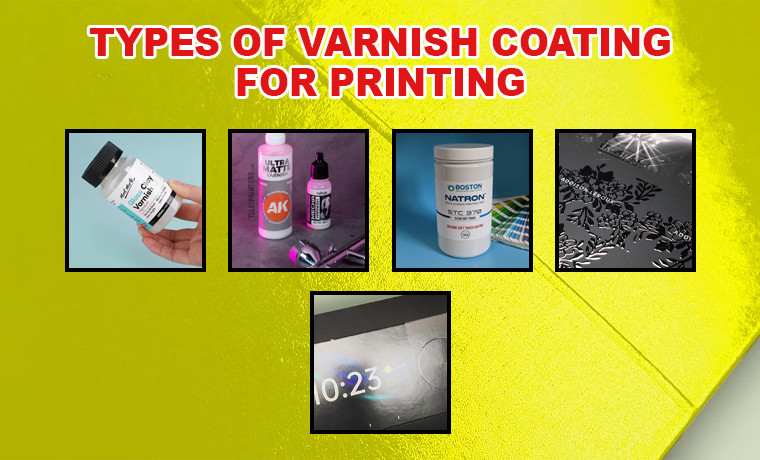
The following varnish coating types are the most commonly used in the packaging industry. Each varnish type offers its unique features.
1. Gloss Varnish
This finishing technique is a preferable choice for designers. It is because it creates a shiny and reflective effect when applied over the full or targeted surface of substrates, including paperboard, plastic, and metal.
This makes colors pop out, and the colors look more vibrant. Gloss varnish is a great choice for cosmetics, electronics, and food and beverage packaging.
2. Matte Varnish
A non-reflective finish but offers a more subtle and soft appearance without flare. Many top brands prefer this finish for their high-end products to give them a luxurious look. Providing a protective barrier to your packaging, matte finish is less prone to scratches and smudges.
3. Satin or Soft Touch Varnish
Also known as velvet or suede varnish, this finish technique offers an elegant appearance by adding a velvety texture to the packaging surface. This produces a sensory appeal of packaging and gives a soft touch, which adds a premium feel while providing enhanced protection.
4. Spot UV Varnish
A glossy coating is applied to the designated areas of a print. This creates a shiny contrast between glossy and matte surfaces. It improves the particular areas of the design, such as logos or images, which makes them stand out visually.
5. Strike-Through Matte Varnish
A printing technique in which both matte and gloss finishes are applied. The matte finish is applied to the full areas except where a glossy effect is required. This results in striking matte varnish through the glossy impact. It gives a softer appearance in the end.
Applications of Varnish Coating in Packaging and Printing
Varnish coating is used in packaging and printing for several reasons.
-
Strengthened Integrity
Varnish coating protects packaging surfaces from moisture, scratches, and UV light. This helps in withstanding the rigors of storage, handling, and shipping.
-
Building Brand Persona
Creates a strong brand identity through special effects using gloss, matte, or satin varnishes. Conveys a powerful brand message and captures consumer attention.
-
Exclusive Sensory Experience
Transform surfaces of printed materials into a remarkable brand interaction by adding a tactile class. This appeals to both sight and touch.
Varnish coating is the best option with:
- Packaging inserts
- Folding cartons
- Paper bags
- Rigid boxes
- Hang tags
- Corrugated boxes
Key Advantages and Potential Disadvantages of Varnish Coating
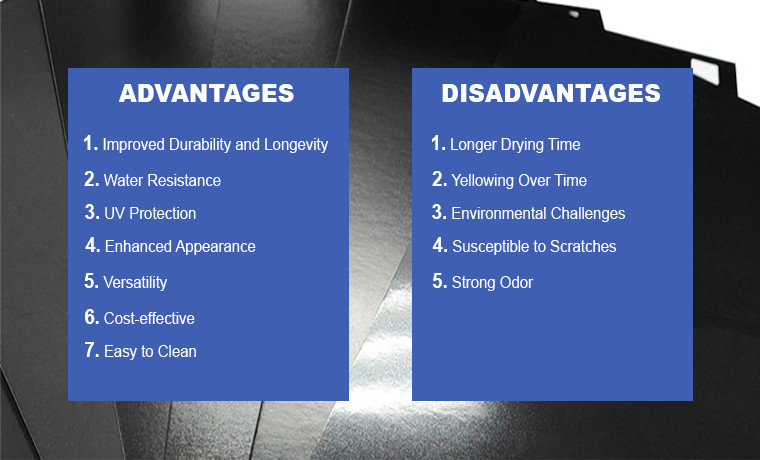
Several benefits and drawbacks of varnish coating have made it a popular choice for many businesses. They are here.
Advantages:
Below are the advantages of varnish coating.
-
Improved Durability and Longevity
Provides a stronger protective layer to protect the surfaces from scratches, stains, and wear. This extends the lifespan of the surfaces.
-
Water Resistance
Withstands moisture and reduces the risk of water damage.
-
UV Protection
Safeguards surfaces from harmful UV rays and prevents fading or discoloration.
-
Enhanced Appearance
Adding a glossy or satin finish improves the visual appeal of the surfaces.
-
Versatility
Suitable for various substrates such as paper, cardboard, plastic, wood, and metal.
-
Cost-effective
Varnish coating is economical than other finishing options.
-
Easy to Clean
It can be easily cleaned and helps to prevent dirt buildup.
Disadvantages:
The following are the disadvantages of the Varnish coating.
-
Longer Drying Time
Requires a longer drying time than other finishing options like UV coating, especially in humid conditions. This slows down the production process and delays projects.
-
Yellowing Over Time
Some varnishes may discolor or darken with age and affect the appearance.
-
Environmental Challenges
Some types of varnishes releasing compounds have less environmental impact.
-
Susceptible to Scratches
It can be easily scratched or damaged, mainly when the surface is heavily used.
-
Strong Odor
Oil-based varnish has a strong and lingering odor during application and drying.
Also Read: A Comprehensive Guide To Soft Touch Coating: Benefits and Applications
How to Apply a Varnish Coating?
These are the following steps to help you apply varnish coating properly and achieve a wonderful and lasting varnish finish:
Preparation of Surface
- Sand and clean the surface completely.
- Make sure it is smooth and dust-free.
- Apply a sealer for a better varnish bonding with the surface.
Selecting the Right Brush for Coating
Choosing the right type of brush for coating can help you apply the coating smoothly and evenly. Select a natural bristle brush to reduce streaks and for complete control during application.
Applying Multiple Varnish Coatings
- Carefully apply the first varnish coating evenly. Make sure it is finely applied to enhance protection and aesthetic appeal.
- Let the coating dry. Wait for at least 6 hours in a place where there is no dust.
- Slightly sand the surfaces to ensure a better adhesion.
- Apply two to four additional varnish coatings by following the same process for extended protection.
- Let each coating layer dry completely.
Sanding in Between Coats:
- Sand coating layers gently.
- Carefully remove the extra coat.
- Avoid over-sanding.
Cleaning Varnished Surfaces:
- Use a damp piece of cloth for deeper cleaning.
- Clean the varnished surfaces regularly using a soft and dry piece of cloth.
- Avoid using clothes with harsh chemicals. It can damage the finish.
A Brief Comparison of Varnish Coating with Other Coatings
To help you understand better, here is a table to compare varnish coating with other coating techniques.
| Coating Techniques | Applications | Key Benefits | Best for |
| Varnish | Applied as a transparent layer | Guard printed surfaces from moisture, scratches, scuffs, fingerprints, and UV light. Makes colors look vibrant and adds a polished and professional appearance. | Packaging, brochures, and magazines |
| AQ Coating | Water-based coating | Minimizes the visibility of fingerprints on the packaging and prevents bruises and scratches while offering a distinguished look. | Food packaging eco-conscious businesses |
| UV Coating | Applied as a liquid and cured using UV light | Provides a protective layer to resist scratches, scuffs, abrasions, wear, and tear. Offers a premium appearance and makes details on the printed box stand out. | Business cards, book covers, and luxurious packaging |
| Spot Coating | Carefully applied to targeted areas of the printed material | Offers high-end sophistication. Highlights logos, text, or design elements through sharp and high-gloss coating. | Packaging, book covers, brochures, and flyers |
| Lamination | Involves bonding a plastic film to the surface of printed pieces. | Protects printed materials from scratches, tears, creases, wrinkles, smudges, and UV light. | Menus, leaflets, and outdoor prints |
Closing Remarks
An understanding of vanishing coating and its types, benefits, and drawbacks is clear. You know how it serves as a protective layer when applied to the surface of materials. Especially on wooden project surfaces to enhance durability and appearance. Offering a glossy or matte finish, varnish coating safeguards materials from environmental damage and wear.
Custom Product Packaging can help you make the right varnish choice. You will get a complete understanding of premium finishes when you want to elevate your brand. Feel free to write us a quick email at orders@customproductpackaging.com. We will be happy to answer your query.